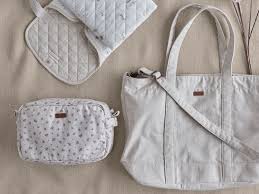
A well-packed hospital bag makes your birth experience smoother. It ensures you have comfort items, essentials for baby, and support for your partner. Focus on comfort, practicality, and remembering those little things that make a big difference during your stay.
Understanding Your Hospital Bag Needs
Packing for the hospital is more than just throwing things in a bag. It’s about planning for a unique time. You’ll be focusing on recovery and bonding.
The hospital provides some things. But many personal items make the stay much better. Think about comfort.
Think about practicality. Think about your baby. Your partner needs things too.
The hospital will give you things for medical needs. They have gowns, pads, and baby basics. But your favorite robe can bring comfort.
A good book can pass the time. Special snacks can be a treat. These are the items that go beyond the basics.
They turn a clinical stay into a more personal experience.
Knowing what to expect helps. Most births last a few days. So you need enough for that time.
But space is often limited. You don’t want to lug around huge suitcases. We will cover the key categories.
This makes it easy to see what you need. It helps you avoid overpacking. It also ensures you don’t forget anything important.
My Own Hospital Bag Adventure
I remember packing my first hospital bag. It was weeks before my due date. I felt this mix of excitement and nerves.
I laid out everything I thought I might need. My suitcase looked like I was moving out! My friend, who had just had her baby, came over.
She took one look and laughed. “You could live here for a month!” she said.
She helped me sort. She showed me what was truly essential. We focused on comfort items.
She reminded me about easy-to-wear clothes. She suggested practical things for nursing. She also told me to pack things for my husband.
He would be there for hours. He needed snacks and a way to relax too. That day, I learned a lot.
My bag became much lighter. But it was much smarter.
It’s easy to get caught up in the “what ifs.” What if it’s cold? What if I need this specific lotion? But most hospitals are well-equipped.
And your partner can always bring more things if needed. The goal is to have your must-haves ready. This way, you can focus on your baby.
You can focus on healing.
What the Hospital Typically Provides
Mom: Basic maternity gowns, large sanitary pads, disposable underwear, ice packs, pain medication. Baby: Diapers, wipes, onesies, receiving blankets, basic toiletries for bathing.
Packing for Mom: Comfort and Recovery
This is all about making you feel as comfortable as possible. Think about your needs post-birth. You will want things that are easy to wear.
They should also be easy to nurse in, if you plan to.
Clothing Essentials
Bring a few changes of comfortable clothes. Loose-fitting pajamas are great. A couple of nursing bras are essential if you plan to breastfeed.
Soft, stretchy pants are also a good idea. Hospitals can be warm, so light fabrics are best.
Think about a robe. A cozy robe makes you feel more put-together. It’s also handy for visitors.
Don’t forget comfy socks or slippers. Your feet can get cold. A non-slip sole is a good idea.
Consider bringing your own outfit for going home. This is often the first outfit you’ll wear outside the hospital. Choose something that fits your postpartum body well.
It might be your maternity clothes, or something new. Make sure it’s comfortable.
Toiletries and Personal Care
The hospital provides basics. But your favorite products can make a difference. Pack a toothbrush and toothpaste.
Bring your usual face wash and moisturizer. A gentle lip balm is a lifesaver. Hospital air can be dry.
Dry shampoo can be great for a quick refresh. You might not have much energy to wash your hair. Some small hair ties or a headband are useful.
They keep hair out of your face. Especially when you’re holding your baby.
Consider a peri bottle. While hospitals provide them, some prefer their own. A few heavy-duty maxi pads are also good.
The hospital ones are fine, but having your preferred brand can be nice. Also, some comfortable, high-waisted underwear is helpful. These are things that just make life easier.
Mom’s Comfort Kit Quick List
- Comfortable Pajamas: Easy for nursing, front-opening styles.
- Nursing Bras: A couple of well-fitting ones.
- Soft Robe: For warmth and feeling presentable.
- Slippers/Socks: Non-slip soles are a plus.
- Going-Home Outfit: Comfortable and forgiving.
- Toiletries: Toothbrush, toothpaste, face wash, moisturizer, lip balm.
- Hair Care: Hair ties, dry shampoo.
- Postpartum Pads: Your preferred brand.
- Perineal Bottle: Optional, but many prefer their own.
Nursing and Feeding Supplies
If you plan to breastfeed, pack a few nursing essentials. Nipple cream can soothe sore nipples. Nursing pads will catch leaks.
A nursing pillow can support you and your baby. It makes feeding more comfortable for longer periods.
If you are formula feeding, bring a couple of bottles. And a small amount of formula. While the hospital has some, it’s good to have your brand ready.
You might also want a bottle brush. Cleaning supplies are useful.
A water bottle with a straw is extremely helpful. You’ll be thirsty. And drinking while holding a newborn can be tricky.
A straw makes it much easier. Having easy-to-eat snacks is also a good idea. Things like granola bars or fruit snacks are great.
Packing for Baby: Essentials for Your Little One
Your baby needs a few things too. The hospital provides a lot for newborns. But bringing a few personal items can be nice.
It makes those first moments feel special.
Baby’s First Wardrobe
Pack a few newborn-sized onesies. And a few sleepsuits. Hospitals can be cool.
So a couple of warmer outfits are good. Footed pajamas are perfect for keeping tiny feet warm.
Bring a going-home outfit. This is a sweet moment. Choose something adorable for those first photos.
It doesn’t have to be fancy. Just something you love.
Don’t forget hats and socks. A soft hat helps keep the baby warm. And a few pairs of socks prevent chilly toes.
Hospitals usually provide blankets. But a soft receiving blanket can be nice for cuddles.
Wash all baby clothes before packing. Babies have sensitive skin. Use a gentle, fragrance-free detergent.
This prevents irritation. Make sure everything is clean and ready.
Baby’s Hospital Bag Snapshot
- Newborn Onesies/Sleepsuits: 3-4, easy snaps for diaper changes.
- Going-Home Outfit: A cute, comfortable set.
- Socks/Booties: A few pairs.
- Soft Hat: For warmth.
- Receiving Blankets: 1-2 for extra comfort.
Diapering and Baby Care
The hospital provides diapers and wipes. You can use these. But if you have a preferred brand, pack a small pack.
This is especially true for sensitive skin diapers. Or if you plan to use cloth diapers.
A diaper rash cream is a good idea. Babies can develop rash quickly. Having your trusted brand on hand is helpful.
Make sure it’s a type suitable for newborns.
You’ll want a baby blanket for the ride home. It keeps the baby warm and cozy in the car seat. Hospitals might offer one.
But having your own is nice.
The car seat is crucial. Make sure it’s installed correctly before you arrive at the hospital. You won’t be able to leave without it.
Some hospitals do a car seat check before discharge.
Packing for Your Partner/Support Person
Don’t forget the person supporting you! They will be there for long hours. They need comfort and supplies too.
Comfort and Entertainment
A change of clothes is essential. Think comfortable and casual. They’ll need pajamas if they plan to sleep at the hospital.
Comfortable shoes are also a must. They might be doing a lot of walking.
Snacks are vital. Hospital food can be limited. And vending machines aren’t always convenient.
Pack granola bars, nuts, or fruit. Things that are easy to eat on the go.
A phone charger is a must. And a portable charger if possible. They’ll want to stay connected.
And take photos. A book, tablet, or headphones can help pass the time during long waits.
Partner’s Survival Pack
Clothing: Comfortable changes, pajamas. Footwear: Comfy shoes or slippers. Snacks: Non-perishable, easy to eat.
Electronics: Phone charger, portable charger. Entertainment: Book, tablet, headphones. Hygiene: Toothbrush, toothpaste, deodorant.
Important Documents: IDs, insurance cards. Pillow/Blanket: For extra comfort.
Practical Items for Support
A refillable water bottle is useful. Staying hydrated is important. A small toiletry bag with basics is good.
Toothbrush, toothpaste, and deodorant. They might not have access to these easily.
A notebook and pen can be helpful. They can jot down questions for doctors. Or write down important information.
It keeps things organized.
Don’t forget important documents. Their ID and insurance card. If they are listed as the partner or support person, they might need these.
Important Documents and Extras
There are some crucial items you can’t forget. These are things you’ll need for admission and beyond.
Essential Paperwork
Bring your ID and insurance card. These are needed for admission. Have your birth plan ready if you have one.
Copies are good to have.
Your hospital registration forms. If you did pre-registration. Have all necessary paperwork organized.
A folder can keep everything together.
Emergency contact information. For your partner or family members. Who should be contacted in case of any issues.
Documents Checklist
- Identification: Driver’s license or other photo ID.
- Insurance Card: Health insurance information.
- Birth Plan: If you have created one.
- Hospital Forms: Pre-registration paperwork.
- Contact List: Important phone numbers.
Miscellaneous but Helpful Items
A camera or phone for photos. Make sure it’s fully charged. And you have enough storage space.
Capture those precious first moments.
A small fan. Hospital rooms can sometimes be stuffy. A personal fan can provide comfort.
Also, consider a comfortable pillow from home. Hospital pillows are often not very good.
Cash for small purchases. For vending machines or the gift shop. You never know when you might need it.
A thank-you note for the nurses. A small gesture can mean a lot. They are working hard for you.
When to Pack Your Bag
It’s best to have your hospital bag packed by 36 weeks. This is about a month before your due date. It gives you peace of mind.
You know you’re ready if labor starts early.
Some people pack theirs earlier. Others wait until closer to the date. My advice is to start gathering items early.
Pack it fully by 36 weeks. It reduces stress. You can then focus on resting.
Keep the bag in an easy-to-access spot. Near the door or in your car. You don’t want to be searching for it when labor begins.
Packing Timeline Tip
32-34 Weeks: Start gathering items. Buy things as you see them. Create a checklist.
36 Weeks: Bag should be fully packed and ready to go. Place it by the door or in your car.
What NOT to Pack
It’s also important to know what to leave at home. Some items can be a hassle or aren’t necessary.
Valuables and Expensive Items
Leave jewelry at home. Any valuable items. You don’t want to worry about them.
The hospital is not responsible for lost or stolen items.
Large amounts of cash. It’s better to have a small amount for emergencies.
Things the Hospital Provides
While having your own can be nice, the hospital provides basics. Such as diapers, wipes, formula, and baby blankets. You can wait to see what they offer.
And ask your partner to bring specific items if needed.
Hospital gowns are functional. You don’t need to bring a lot of your own clothes. Especially for the first day or two.
Focus on comfort items rather than a full wardrobe.
Anything Too Bulky
Avoid bringing too many items. Space in hospital rooms is limited. A large suitcase can be cumbersome.
Pack smart, not heavy.
Think about what you’ll truly use. What will bring you comfort. What is essential for the baby.
Anything else can probably wait.
The Day You Leave the Hospital
As your discharge day approaches, think about the ride home. Make sure the car seat is safely installed.
Have your going-home outfits ready for you and the baby. Your partner might need to retrieve your packed bag from the car. Make sure your car has enough gas.
It’s a big transition. Having your hospital bag organized makes it a little smoother. You’ve got this!
Frequently Asked Questions About Hospital Bags
What is the most important thing to pack in a hospital bag?
The most important things are your identification, insurance card, and phone charger. For mom, comfortable clothes and nursing bras are key. For baby, a safe car seat and going-home outfit are essential.
Focus on comfort and essentials.
Should I pack my own pillow for the hospital?
Many people find hospital pillows uncomfortable. Packing your own favorite pillow can greatly improve your sleep and comfort. A travel pillow or your regular pillow works well.
How many outfits should I pack for the baby?
Pack about 3-4 newborn-sized onesies or sleepsuits. Include a special going-home outfit. The hospital provides basic onesies too, so you don’t need a huge wardrobe.
Do I need to pack snacks for my partner?
Yes, absolutely! Your partner will be there for long hours and might not be able to leave easily. Snacks will keep their energy up.
Pack non-perishable items like granola bars, nuts, or dried fruit.
What if I forget something for the hospital bag?
Don’t worry! Your partner or a family member can always bring forgotten items to the hospital. Most hospitals also have a small store or nearby stores for essentials.
When should I have my hospital bag completely packed?
It’s recommended to have your hospital bag fully packed by 36 weeks of pregnancy. This ensures you are prepared in case labor starts early and reduces last-minute stress.
Final Thoughts on Hospital Bag Packing
Packing your hospital bag is a milestone. It’s a sign that your baby is coming soon. Focus on comfort, practicality, and essentials.
You don’t need to bring everything you own. Smart packing means peace of mind. Enjoy this special time as you prepare to meet your little one.