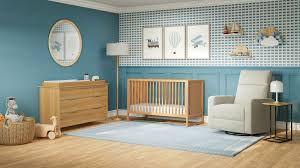
The best baby nursery setup involves thoughtful planning for safety, comfort, and functionality. Focus on essential furniture like a crib and changing station, prioritize non-toxic materials, ensure good airflow and temperature control, and create a calming atmosphere with soft lighting and soothing colors. Remember to keep the baby’s needs at the forefront of every decision.
Understanding Your Baby’s Nursery Needs
A nursery is more than just a room. It’s a safe haven for your baby. It’s where they’ll sleep, eat, and play.
It’s also a space for you to bond with them. Thinking about what your baby needs helps a lot. They need comfort and safety above all else.
This guide will help you get there.
What makes a nursery great? It’s often simple things. A good crib is key.
A place to change diapers is also vital. Storage for baby clothes and toys is useful. But the most important part is making it feel safe.
We want to avoid any risks for your little one. We’ll talk about how to do that.
Essential Nursery Furniture and Items
When you start buying things, it’s easy to get lost. Many items are cute but not needed. Let’s focus on the must-haves first.
This keeps things simple and saves money. Your baby will be happy with just the basics.
The Crib: The Centerpiece
The crib is the most important piece. Your baby will spend many hours here. Safety standards are super strict now.
Make sure any crib you buy meets current safety rules. Look for the Juvenile Products Manufacturers Association (JPMA) certification. This means it has passed safety tests.
Check for sturdy slats. They should be no more than 2 3/8 inches apart. This stops a baby’s head from getting stuck.
The mattress should fit snugly. There should be no more than two fingers’ width between the mattress and the side of the crib. Avoid cribs with drop sides.
They are no longer considered safe.
Baby nursery setup needs a safe crib. The mattress should be firm. A soft mattress can be a suffocation risk.
Make sure the mattress is the right size. It should be the same size as the crib frame. This prevents gaps where a baby could get trapped.
Changing Station: Comfort and Safety
You’ll change a lot of diapers. A dedicated changing station makes this easier. You can use a changing table.
Or, you can use a dresser with a changing pad on top. Either way, safety is key.
If you use a changing pad, get one with a safety strap. Always use the strap. Never leave your baby unattended on the changing surface.
Not even for a second. Falls can happen quickly. Keep all your diapering supplies within easy reach.
Wipes, diapers, and creams should be right there.
This saves you from having to turn away. It keeps your baby safe on the changing surface. Think about the height too.
It should be comfortable for you to stand and change your baby. You’ll be doing this many times a day.
Storage Solutions: Keeping Things Tidy
Babies come with a lot of stuff! Clothes, diapers, toys, books, and more. Good storage helps keep the nursery organized.
It makes the room feel calmer. You’ll feel less stressed too.
Think about dressers, bookshelves, and shelving units. Baskets and bins are also great. Use them for smaller items like socks or toys.
Wall shelves can save floor space. They are good for books or displaying cute baby items. You might need a small hamper for dirty clothes too.
Consider furniture that can grow with your child. Some changing tables convert to regular dressers. This saves money in the long run.
Smart storage makes the baby nursery setup much easier.
Comfort Items: Rocking Chair and Lighting
A comfortable spot for you and your baby is important. A rocking chair or glider is a popular choice. It’s a nice place to feed your baby or just cuddle them.
Make sure it’s comfortable for you.
Good lighting is also crucial. You’ll need a main light for when the room is bright. A dimmer switch can be very helpful.
It lets you adjust the light for nighttime feedings. A soft nightlight is also a good idea. It helps you see without waking the baby too much.
Avoid harsh overhead lights. They can be too stimulating for a baby. Soft, diffused light is best for creating a calm environment.
Think about lamps with warm bulbs. This creates a cozy feel.
Must-Have Nursery Items Checklist
- Safe Crib
- Firm Crib Mattress
- Fitted Crib Sheets (2-3)
- Changing Pad with Safety Strap
- Diaper Pail or Hamper
- Dresser or Storage Units
- Comfortable Rocking Chair or Glider
- Blackout Curtains or Blinds
- Gentle Nightlight
Prioritizing Safety in the Nursery
Safety is the number one concern. A few simple checks can prevent accidents. This is where expertise really matters.
Knowing what to look for makes a big difference.
Crib Safety Checks
We talked about crib slats and mattress fit. But there’s more. Make sure the crib is stable.
It shouldn’t wobble. Check all the screws and bolts. Make sure they are tight.
Do this regularly.
Never put loose bedding in the crib. This includes blankets, bumpers, and pillows. These items can pose a suffocation risk. Babies should sleep on their back on a firm, flat surface.
They should be in a sleep sack or pajamas. This is the safest way for them to sleep.
Keep the crib away from windows and cords. Blind cords can be a strangulation hazard. Move furniture that baby could use to climb out.
Think about the baby’s safety as they grow.
Room Safety Around the Crib
Look around the crib. Are there any dangling cords? This includes curtain cords or blind cords.
They should be secured well out of reach. You can buy cord winders or safety tassels. These are inexpensive and effective.
Check the temperature of the room. It should be comfortable. Not too hot, not too cold.
Between 68-72 degrees Fahrenheit is usually good. Babies can overheat easily. Overheating is linked to SIDS.
So, monitor the room temperature.
Secure furniture to the wall. Dressers and bookshelves can tip over. This is a serious danger.
Use anti-tip straps. They are usually included with the furniture. Or you can buy them separately.
Always anchor heavy items.
Choosing Safe Materials
The materials in your nursery matter. You want non-toxic products. Babies are sensitive to chemicals.
Look for low-VOC paints. VOCs are volatile organic compounds. They can off-gas into the air.
Check labels on furniture. Solid wood is often better than particleboard. Particleboard can contain formaldehyde.
Look for GREENGUARD Gold certified products. This certification means the product has been tested for harmful chemicals.
Baby bedding should be natural and breathable. Cotton is a good choice. Avoid synthetic materials that can trap heat.
They can also irritate sensitive skin. This focus on safe materials is crucial for a healthy baby nursery setup.
Common Nursery Safety Hazards to Avoid
- Crib Bumpers: Increased SIDS risk.
- Loose Bedding: Suffocation hazard.
- Window Blind Cords: Strangulation risk.
- Unsecured Furniture: Tipping hazard.
- Overheating: Keep room temp moderate.
- Small Toys/Objects: Choking hazard if left near crib.
Designing a Calming Nursery Atmosphere
The look and feel of the nursery are important too. You want a space that is peaceful. It should help your baby relax and sleep.
It should also be a pleasant place for you to be.
Color Palette and Walls
Soft, calming colors are best for nurseries. Think about pastels like light blue, green, or yellow. Gentle grays and creams also work well.
These colors create a serene mood.
Avoid bright, stimulating colors like red or orange. They can make it harder for a baby to wind down. If you love bold colors, use them as accents.
Paint one wall a brighter shade. Or use colorful accessories.
Consider the finish of the paint. Low-VOC or zero-VOC paints are recommended. This helps with air quality.
The walls are a big part of the room. They set the tone for the whole space.
Lighting for Sleep and Play
We mentioned lighting earlier. It’s really that important. Soft, warm lighting is key.
You want to create a cozy ambiance.
Blackout curtains or blinds are a must-have. They help block out sunlight. This is essential for nap times.
Good sleep for your baby means good sleep for you! They also help create a consistent sleep schedule.
A dimmable main light is ideal. You can lower it during nighttime feedings. A gentle nightlight provides enough light to see.
But it’s not so bright that it disrupts sleep. Avoid harsh, bright lights. They can signal “awake time” to your baby.
Decor and Soft Touches
Decor can make the nursery feel special. But keep it simple. Too much clutter can be overwhelming.
Choose items that add warmth and comfort.
Soft rugs can make the floor more comfortable. They also add a touch of warmth. Wall art can be nice.
Choose calming images or gentle patterns. Mobile above the crib can be engaging for the baby. Make sure it’s securely attached and out of reach.
Consider textures. Soft blankets, plush toys, and knitted items add a cozy feel. These elements contribute to a nurturing environment.
It’s about creating a peaceful sanctuary.
Quick Nursery Color Ideas
Calming & Serene: Soft blues, gentle greens, pale yellows, muted lavenders, light grays, creamy whites.
Warm & Cozy: Earthy tones like beige, soft terracotta, muted peach.
Neutral & Timeless: Off-whites, soft grays, natural wood tones.
Accent Pops: Use brighter colors sparingly on a single wall or in decorative items.
Real-World Nursery Setup Scenarios
Every home and family is different. What works for one might not work for another. Let’s look at a few common situations.
Small Space Nurseries
Many people don’t have large homes. A small nursery needs smart solutions. Focus on multi-functional furniture.
A crib that converts is great. A dresser that also serves as a changing station saves space.
Vertical storage is your friend. Use wall shelves. Hang storage over the door.
Keep the floor clear as much as possible. This makes the room feel bigger.
Choose lighter colors. They can make a small room feel more open. Avoid bulky furniture.
Select pieces that are proportionate to the room size. Every inch counts in a small nursery.
Nurseries in Shared Spaces
Sometimes the baby’s room is part of another room. Or maybe it’s a corner of your bedroom. This requires careful planning.
You need to define the space.
Use a room divider or a screen. A tall bookshelf can also create a visual separation. This helps create a distinct nursery zone.
Think about light and sound. Blackout curtains can help create darkness. A white noise machine can mask sounds.
This helps everyone sleep better. It ensures the baby has a sleep-friendly environment.
Budget-Friendly Nursery Setup
You don’t need to spend a fortune. Many items can be bought second-hand. Always check for safety standards.
Especially for cribs and car seats. Look for gently used items.
Paint is an inexpensive way to transform a room. You can find great deals on paint. Focus on essential furniture first.
You can add decorative items later.
Borrow items from friends or family. Many parents have items they no longer need. Friends might be happy to lend a hand.
This makes a baby nursery setup affordable.
Space-Saving Nursery Tips
Vertical Storage: Use wall shelves and over-the-door organizers.
Multi-functional Furniture: Cribs that convert, dressers with changing pads.
Foldable Items: Consider a foldable bassinet for early days or travel.
Clear Floor Space: Keep the floor as open as possible.
Light Colors: They make small rooms feel larger.
What This Means for Your Nursery Planning
Understanding these aspects helps you plan. You know what furniture is key. You know how to make it safe.
You also know how to make it calming.
When is it “Normal” for a Nursery Setup?
A “normal” nursery setup is one that is safe and functional. It has the basic essentials: a crib, a changing area, and storage. The colors and decor are up to you.
But they should create a peaceful environment.
Don’t worry if your nursery isn’t perfect right away. You can adjust things as you go. What feels right for your baby?
What feels right for you? That’s what matters most. A functional and safe nursery is always the goal.
When Should You Worry About Your Nursery Setup?
You should worry if safety is compromised. Are there any gaps in the crib? Is furniture unsecured?
Are there cords within reach? These are serious issues.
If the room is too hot or too cold, that’s a concern. If there are toxic smells from paint or furniture, address them. If your baby seems uncomfortable or restless, re-evaluate.
Your intuition as a parent is valuable.
If you’re unsure about safety, ask for help. Consult product manuals. Look up safety guidelines from trusted sources like the Consumer Product Safety Commission (CPSC).
Simple Checks You Can Do
Do a walk-through of the nursery. Look at it from your baby’s perspective. Get down on your hands and knees.
What can they reach? What could be a hazard?
Test the crib. Is it stable? Are all parts secure?
Check the mattress fit again. Test the changing pad strap. Ensure all cords are safely tucked away.
Feel the air temperature. Does it feel comfortable? Are there any drafts?
Is the lighting soft enough? These simple checks ensure your baby nursery setup is as safe as possible.
Your Nursery Safety Checklist
- Crib stability and slat spacing.
- Mattress fit – snug, no gaps.
- Secure furniture to the wall.
- All cords (blinds, electronics) out of reach.
- Room temperature is comfortable (68-72°F).
- No loose bedding or small items in the crib.
- Non-toxic paints and materials used.
Quick Fixes and Tips for Nursery Setup
Sometimes, small changes make a big difference. Here are a few quick ideas.
Organize Diaper Changing Supplies
Keep everything you need for a diaper change in one caddy or organizer. This includes diapers, wipes, cream, and a clean diaper shirt. You can place this caddy on the changing table or a nearby shelf.
It makes changes faster and more efficient.
Create a Sleep Zone
Use a baby monitor and a sound machine. These help create a consistent sleep environment. The sound machine masks noises.
It can help your baby fall asleep and stay asleep. Place the crib in the quietest part of the room.
Declutter Regularly
Babies collect things quickly. Make it a habit to declutter. Put away toys when they aren’t being used.
Store outgrown clothes. A tidy nursery is a calm nursery. It helps you feel more in control.
Make it Yours
Add personal touches. Photos of family. A favorite book.
A handmade mobile. These things make the nursery feel special. They add warmth and personality.
It’s your baby’s space, make it feel loved.
Frequently Asked Questions about Nursery Setup
What is the most important safety rule for a nursery crib?
The most important safety rule is to ensure a firm mattress that fits snugly in the crib, with no gaps. Also, never use loose bedding like blankets, pillows, or bumpers in the crib. Babies should sleep on their back on a firm, flat surface without anything else in the crib.
How much storage do I really need for a baby nursery?
You’ll need enough storage for clothes, diapers, wipes, creams, and some toys. A dresser and a few shelves or baskets usually suffice. It’s better to start with a bit less and add as you see what you truly use.
You can always add more storage later if needed.
Should I paint the nursery walls before the baby arrives?
Yes, it’s best to paint well before your baby arrives. Use low-VOC or zero-VOC paints. This allows the paint to off-gas and the fumes to dissipate fully.
Give it at least a few days, or ideally a week or two, for the room to air out completely.
What kind of lighting is best for a baby nursery?
Soft, warm, and dimmable lighting is ideal. You’ll need a main light source, but a dimmer switch is highly recommended for nighttime feedings. A gentle nightlight is also helpful for visibility without disrupting sleep.
Blackout curtains also help control light for sleep times.
Is it okay to buy used nursery furniture?
Used nursery furniture can be a great way to save money. However, always ensure it meets current safety standards. For cribs, it’s often best to buy new to guarantee safety features.
For items like dressers or rocking chairs, inspect them carefully for stability and wear.
How do I make a small nursery feel spacious?
Use multi-functional furniture, vertical storage solutions like wall shelves, and choose light, neutral colors. Keeping the floor space clear also helps. Avoid large, bulky furniture that can overwhelm a small room.
Smart organization is key to making a small space feel larger.
Conclusion
Setting up a nursery is a journey. It’s about creating a safe, loving space for your baby. Focus on safety first.
Then add comfort and calm. Your baby will love the room you create. It’s a place for growth, dreams, and precious memories.