Bringing a new baby home is a huge moment. It’s also a time filled with a lot of unknowns. You want to be ready for your little one.
But what exactly do you need? So many products claim to be “must-haves.” It can feel overwhelming to figure out the real essentials. Let’s break it down.
We’ll focus on what you’ll use most. This list will help you prepare without feeling buried in stuff.
The core of newborn essentials includes safe sleep items, feeding supplies, comfortable clothing, and basic hygiene products. Focus on items that support feeding, changing, bathing, and sleeping. Prioritize safety and comfort for your baby, and practicality for yourself.
What You Really Need for a Newborn
Every new parent faces this question. What are the absolute must-have items? There’s no single perfect answer.
Needs can change a bit based on your lifestyle. They also depend on whether you’re breastfeeding or formula-feeding. But some things are pretty universal.
These are the items that make daily life with a tiny human much smoother. We’ll cover everything from the big stuff to the small details.
Think about the basic needs of a newborn. They need to eat. They need to sleep.
They need to be kept clean. They need to wear clothes. They need a safe place to be.
They also need things to help you care for them. This guide focuses on these core areas. We aim to cut through the noise.
We want to give you a clear path to preparing.
The goal is to feel prepared, not stressed. A well-prepared nursery makes a difference. Having the right gear ready makes a difference.
Knowing what to expect helps too. We’ll explore each category in depth. We’ll look at why each item is important.
We’ll also suggest a few key features to look for. This way, you can make informed choices.
My Own Newborn Prep Story
I remember the weeks before my first baby arrived. My living room was a sea of boxes. I’d read every baby blog and talked to every mom I knew.
I thought I had it all covered. Then the baby came. Suddenly, I was staring at this tiny person.
I felt this immense love. But I also felt this huge wave of “Am I doing this right?”
One morning, about a week in, I realized I didn’t have enough burp cloths. None. I was washing them constantly.
My husband had to make an emergency run. Another time, I’d bought this fancy, complicated bottle warmer. It took forever.
My baby was crying. I was flustered. I ended up warming bottles in a mug of hot water.
It was much faster.
That’s when it hit me. The fancy, high-tech gadgets weren’t always the best. Simple, practical items made a bigger difference.
The softest swaddles. A comfortable place for the baby to nap safely. Enough onesies for the endless spit-ups.
These were the true heroes. This experience taught me to focus on function and ease. It helped me trim down my own list later.
Newborn Sleep Essentials
Safe Sleep Space: A crib, bassinet, or co-sleeper. It must meet current safety standards. Ensure it has a firm, flat mattress.
No loose bedding is allowed. This is critical for preventing SIDS.
Fitted Sheets: You’ll need a few. Babies spit up and have diaper leaks. Having extras makes laundry day less urgent.
Look for soft, breathable fabrics like cotton.
Swaddles: Many newborns love to be swaddled. It mimics the womb. It can help them feel secure.
They sleep better when swaddled. Try different types like muslin wraps or velcro swaddles.
Sleep Sacks: Once your baby can roll, swaddling is no longer safe. Sleep sacks are wearable blankets. They keep babies warm without loose bedding.
They are a safer alternative.
White Noise Machine: A consistent, gentle sound can help babies sleep. It blocks out sudden noises. It can create a calming environment for sleep.
Getting sleep right is a big deal for everyone. Newborns sleep a lot. But their sleep is often in short bursts.
Having a safe sleep environment is the number one priority. This means a crib or bassinet that meets safety rules. The mattress should be firm.
There should be nothing else in the sleep space.
Loose blankets are a no-no. Pillows are a no-no. Bumper pads are also not recommended.
These items can be a suffocation risk. Your baby needs clear space to breathe. A few fitted sheets for the mattress are a must.
You will change them often. Having at least two or three on hand is wise.
Swaddling is an ancient practice. Many babies find it very comforting. It makes them feel secure.
It can help prevent the startle reflex from waking them. Muslin swaddles are popular. They are large and breathable.
Velcro swaddles are easier for some parents. They offer a snug fit without complicated wrapping.
As your baby grows, you’ll need to stop swaddling. This usually happens around 2-4 months. Or when they show signs of rolling over.
Sleep sacks are the safe next step. They are like a wearable blanket. Your baby’s arms can be in or out.
They zip up. They ensure the baby stays warm without loose fabric.
Many parents find white noise machines incredibly helpful. The constant, low hum can mask sudden sounds. It can help soothe a fussy baby.
It creates a predictable sleep environment. Think of it as a helpful tool in your sleep arsenal. It can make naps and nighttime sleep a little more peaceful.
Feeding Essentials: What to Stock Up On
Feeding is another major area. What you need depends on your feeding choice. We’ll cover options for both breastfeeding and formula feeding.
For Breastfeeding Parents:
Nursing Bras: Comfortable bras designed for easy nursing access. Get a few so you always have a clean one.
Nursing Pads: Disposable or reusable. These absorb any milk leaks. They keep your clothes dry.
Nipple Cream: For soothing sore nipples. Many are lanolin-based or natural.
Nursing Pillow: A specialized pillow can help support your back and baby’s head. It makes feeding sessions more comfortable.
Milk Storage Bags/Containers: If you plan to pump. You need safe ways to store expressed milk.
Breast Pump: If recommended by your doctor or if you plan to pump regularly. There are manual and electric options.
For Formula Feeding Parents:
Baby Bottles: Start with a small number, maybe 4-6. You can always get more. Look for bottles with slow-flow nipples.
Nipples: Slow-flow nipples are best for newborns. They mimic the flow of breast milk.
Bottle Brush: For thorough cleaning of bottles and nipples.
Bottle Drying Rack: To keep everything clean and organized.
Formula: Consult your pediatrician about the best formula for your baby.
Sterilizer: Optional, but some parents prefer to sterilize bottles. You can also boil them.
For Both Breastfeeding and Formula Feeding:
Burp Cloths: Lots of them! Babies spit up a lot. Keep them handy everywhere.
Bibs: Start with a few bibs, especially for older newborns. They catch drool and spills.
Baby Spoons and Bowls: When starting solids later, around 6 months. But it’s good to have them ready.
High Chair: Also for when solids start. A safe and clean place for baby to eat.
Quick Feeding Tips for New Parents
Latch is Key (Breastfeeding): A good latch prevents pain and ensures baby gets enough milk. If it hurts, seek help from a lactation consultant.
Patience with Bottles (Formula): Hold your baby semi-upright. Tilt the bottle so the nipple is always full. This reduces air intake.
Cleanliness Matters: Wash hands thoroughly before preparing bottles. Clean all feeding equipment well.
Temperature Check: Test formula temperature on your wrist. It should feel lukewarm, not hot.
Watch for Cues: Feed your baby when they show early hunger signs. Rooting, sucking on hands. Crying is a late sign.
Feeding your baby is a central part of their care. For breastfeeding mothers, comfort is key. Nursing bras offer easy access.
Nursing pads are essential for managing leaks. Many new moms experience sore nipples. Nipple cream can provide relief.
A good nursing pillow can save your back and arms.
If you plan to pump, you’ll need storage solutions. Milk storage bags or containers are necessary. Make sure they are BPA-free and designed for breast milk.
A breast pump might be part of your plan. There are many types available. Discuss options with your healthcare provider.
For formula feeding, bottles and nipples are vital. Start with a few slow-flow nipples. These are best for newborns.
They help prevent choking and overfeeding. A good bottle brush is a must for cleaning. A drying rack keeps everything hygienic.
Choosing a formula is a big decision. Always talk to your pediatrician first. They can guide you on the best choice for your baby’s needs.
Some parents also like to sterilize bottles. This is an optional step. Boiling bottles for a few minutes also works.
Regardless of feeding method, burp cloths are non-negotiable. You will use them more than you think. Keep them in the nursery, by your changing station, in the car.
Bibs become more useful as babies get older. They catch drool and early spit-ups. For later, when solids start, a high chair is essential.
Also, baby spoons and bowls.
Clothing: Keeping Baby Comfy and Warm
Newborn clothing seems tiny and adorable. But it needs to be practical. Focus on comfort, ease of use, and layers.
Bodysuits/Onesies: These are the workhorses. Get a variety of short-sleeve and long-sleeve. Snap closures at the crotch make diaper changes easier.
Aim for 6-8 of each size.
Sleepers/Pajamas: Footed pajamas are great for keeping baby warm at night. Look for ones with zippers or two-way zips. They are easier than snaps.
Pants/Leggings: A few pairs are useful for layering. Especially in cooler weather.
Socks/Booties: Keep those tiny feet warm. A few pairs will be needed.
Hats: Soft caps for keeping baby’s head warm, especially outdoors. A couple of lightweight ones.
Outerwear (Season Dependent): A warm jacket or snowsuit if you live in a cold climate. A lighter jacket for mild weather.
Mittens: To prevent scratching. Newborns have sharp nails. Mittens keep them from scratching their faces.
Clothing Fit and Fabric Guide
Size Up: Babies grow fast! Newborn sizes can be outgrown quickly. Consider having some 0-3 month sizes ready.
Soft Fabrics: Cotton is best for newborn skin. It’s breathable and gentle. Avoid scratchy materials.
Easy Access: Clothing that opens fully or snaps easily is a lifesaver. Especially for diaper changes and dressing a wiggly baby.
Temperature Regulation: Dress baby in one more layer than you are comfortable in. Check their neck to see if they are too hot or cold.
Bodysuits, often called onesies, are your go-to. They are like a t-shirt for babies. They snap between the legs.
This makes diaper changes so much easier. You won’t have to pull clothes up and over the baby’s head. Get a mix of short and long sleeves.
The number you need depends on how often you do laundry. 6-8 of each is a good starting point.
Sleepers are the best for nighttime. They are like pajamas. Most have feet.
This keeps baby’s feet warm. Look for zippers. Zippers are much faster than snaps when you’re tired.
A two-way zipper is even better. It allows for quick diaper changes.
Pants or leggings can be useful. They add an extra layer of warmth. You can pair them with a bodysuit.
Socks or booties are a must. Baby’s feet can get cold easily. You’ll need several pairs.
Hats are also important. Newborns can lose heat through their heads.
If you live in a cold place, you’ll need outerwear. A warm jacket or a snowsuit is essential. For milder climates, a lighter jacket will do.
Mittens are a good idea for the first few weeks. Baby nails can be surprisingly sharp. Mittens prevent them from scratching their faces.
When choosing clothes, think about fabric. Soft cotton is ideal. It’s gentle on baby’s skin.
It’s also breathable. This helps regulate their body temperature. Easy closures are a must.
Think about snaps and zippers. They make life so much simpler for parents.
Don’t buy too many newborn-sized clothes. Babies grow very quickly. You might find you need more 0-3 month sizes sooner than you think.
It’s better to have a few newborn items and then transition. Always check baby’s temperature. Feel their neck or tummy.
If it’s cool, add a layer. If it’s warm, remove one.
Diapering and Bath Time Must-Haves
These are daily tasks. Having the right supplies makes them manageable.
Diapers: Choose between disposable or cloth. Stock up on newborn size. You’ll go through many!
About 10-12 per day.
Wipes: Sensitive, fragrance-free wipes are usually best for newborns.
Diaper Cream/Ointment: To prevent and treat diaper rash.
Diaper Pail: An odor-controlling bin for dirty diapers.
Changing Pad: With a waterproof cover. For a safe and clean changing surface.
Baby Bathtub: A small tub that fits in your sink or bathtub.
Baby Soap/Wash: Gentle, tear-free formulas.
Baby Shampoo: Again, look for gentle, tear-free options.
Soft Washcloths: For gentle cleaning during bath time.
Hooded Towels: Soft towels to keep baby warm after a bath.
Baby Lotion/Oil: Optional, for moisturizing dry skin.
Diapering Routine: A Quick Guide
Frequency: Expect to change diapers frequently. Newborns eat often and can have messy diapers.
Cleanse: Use gentle wipes or a soft cloth with warm water. Clean the diaper area thoroughly.
Dry: Pat the skin dry gently. This helps prevent rash.
Protect: Apply a thin layer of diaper cream if needed. Especially at night.
Fresh Diaper: Fasten the new diaper snugly. Not too tight, though. You should be able to fit two fingers underneath.
Diapering is a constant. You’ll be changing diapers many times a day. Decide early if you’ll use disposable or cloth diapers.
Newborns use a lot of diapers. It’s best to have a good supply on hand. About 10-12 per day is a good estimate.
You can always buy more.
Gentle wipes are important for cleaning. Newborn skin is very sensitive. Look for fragrance-free and dye-free options.
Some parents prefer to use just a soft cloth and warm water. Diaper cream or ointment is crucial. It creates a barrier to protect baby’s skin.
It helps prevent painful diaper rash.
A diaper pail can help manage smells. These bins are designed to contain odors. A changing pad with a waterproof cover is a good idea.
It provides a comfortable and safe place to change diapers. Having one in the nursery and maybe another in the bathroom is convenient.
Bath time can be a bonding experience. A small baby bathtub is perfect. It fits in your sink or regular bathtub.
It makes bathing easier and safer. Use gentle, tear-free soaps and shampoos. These are specially formulated for baby’s delicate skin and eyes.
Soft washcloths are gentle on baby’s skin. You’ll need a few for bath time. Hooded towels are also a nice touch.
They keep baby warm and cozy after the bath. Some babies have dry skin. You can use a gentle baby lotion or oil to moisturize it.
But this isn’t always necessary.
Make sure you have everything ready before you start a bath. Baby can get cold quickly. Have the towel, clean diaper, and clothes laid out.
Never leave a baby unattended in the bath. Not even for a second.
Gear and Nursery Must-Haves
These items help create a functional and safe space.
Car Seat: An infant car seat is essential for bringing your baby home. Ensure it meets safety standards. Install it correctly before your baby arrives.
Stroller: Choose one that’s compatible with your car seat (travel system) or a separate stroller.
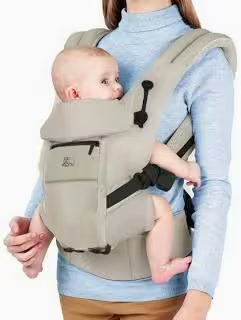
Baby Carrier/Sling: For hands-free carrying. Great for bonding and soothing.
Playard/Pack ‘n Play: A portable safe space for sleep or play. Useful for travel or in different rooms.
Baby Monitor: Audio or video. Gives you peace of mind.
Bouncer Seat/Swing: For a safe place to put baby down while you do tasks. Many babies find them soothing.
Diaper Bag: A well-organized bag for outings.
Bassinet or Crib: As mentioned in sleep essentials.
Changing Table or Dresser: A dedicated space for diapering and storing baby clothes.
Rocking Chair or Glider: For comfortable feeding and soothing.
Gear Safety First
Car Seat Installation: Have it checked by a certified technician. Many hospitals offer this service before discharge.
Stroller Safety: Always use the stroller’s safety harness. Never leave a child unattended.
Babyproofing: As your baby becomes more mobile, start babyproofing. Cover outlets, secure furniture.
Monitor Range: Ensure your baby monitor has adequate range for your home.
Age Appropriateness: Use gear like bouncers and swings according to manufacturer guidelines and baby’s age/weight.
A car seat is non-negotiable. You can’t leave the hospital without one. Make sure it’s the right type for an infant.
Get it installed properly. Many fire departments or police stations offer free car seat checks. A stroller is also a big item.
Travel systems are popular. They let you move the car seat from the base to the stroller.
A baby carrier or sling is wonderful. It keeps your baby close. It frees up your hands.
Many babies love being worn. It can be very soothing for them. A playard, often called a Pack ‘n Play, is very versatile.
It can be a safe sleep space. It can also be a play area when your baby is a bit older.
A baby monitor is a must for many parents. Audio monitors are basic. Video monitors let you see your baby.
They offer extra peace of mind. Bouncer seats and swings can be lifesavers. They give you a safe place to set baby down.
Many babies find the gentle motion calming.
You’ll need a diaper bag for outings. Look for one with lots of pockets. This helps you stay organized.
A dedicated changing table or a dresser with a changing pad on top is useful. It keeps diapers, wipes, and creams in one spot. A comfortable rocking chair or glider is a treat.
It’s a cozy spot for feeding and bonding.
As your baby grows and becomes mobile, safety becomes even more critical. Start thinking about babyproofing your home. Cover electrical outlets.
Secure heavy furniture. Keep small objects out of reach. Always check that baby gear meets current safety standards.
Health and Safety Essentials
These items help keep your baby safe and healthy.
Thermometer: A digital or temporal thermometer is best for babies.
Nail Clippers/File: Baby nails are sharp. Use safety clippers or a soft file.
Nasal Aspirator: To clear a stuffy nose. Bulb syringes or aspirators with tubes.
First-Aid Kit: Basic supplies like sterile gauze, antiseptic wipes.
Baby-Safe Cleaning Supplies: For sanitizing bottles, toys, and surfaces.
Smoke and Carbon Monoxide Detectors: Ensure they are working and have battery backup.
Outlet Covers: For babyproofing.
Cabinet Locks: For securing cabinets with potentially harmful items.
Essential Health Checkpoints
Doctor Visits: Schedule your baby’s first pediatrician visit soon after birth. Follow the recommended vaccination schedule.
Fever: A rectal temperature of 100.4°F (38°C) or higher in an infant under 3 months is a medical emergency. Call your doctor immediately.
Choking Hazards: Keep small objects away from babies. Learn infant CPR and choking rescue techniques.
Safe Sleep Practices: Always place baby on their back to sleep. In a crib or bassinet. With a firm mattress and no loose items.
Keeping your baby healthy and safe is top priority. A reliable thermometer is a must. Digital or temporal thermometers are easiest for babies.
Baby nails grow fast. They can scratch their own faces. Use safety clippers or a soft file.
It’s important to trim them carefully.
Babies can get stuffy noses. A nasal aspirator can help clear their airways. There are bulb syringes or more advanced tube aspirators.
A basic first-aid kit is wise. It should have things like antiseptic wipes and gauze. You’ll also need safe cleaning supplies for baby items.
Safety in the home is crucial. Make sure you have working smoke and carbon monoxide detectors. As your baby grows, they will explore.
Outlet covers are a simple babyproofing step. Cabinet locks can secure drawers and doors containing cleaning supplies or medicines.
Fever in a very young infant is serious. If your baby is under three months old and has a rectal temperature of 100.4°F or higher, call your doctor right away. Always follow your pediatrician’s advice on health.
Learning infant CPR is also a highly recommended skill for all parents.
Safe sleep practices are vital for preventing SIDS. Always place your baby on their back to sleep. Use a firm mattress in a crib or bassinet.
Keep the sleep space clear of blankets, pillows, and stuffed animals.
Nice-to-Have Items (Not Strictly Essential)
These items can make life a bit easier or more enjoyable, but you can live without them.
Wipe Warmer: Some babies prefer warm wipes.
Bottle Warmer: Can be faster than warming in hot water.
Pacifier Clip: To keep pacifiers clean and from falling.
Baby Monitor with Video and Breathing Sensor: Offers advanced monitoring.
Baby Lounger/Nesting Pillow: For supervised lounging.
Diaper Genie/Odor Control Pail: More advanced odor control.
Baby Food Maker: For pureeing your own baby food later.
Toys: Simple rattles, soft books, activity mats. Focus on sensory engagement.
Mobile for Crib: Can be visually stimulating for baby.
When to Consider These Extras
Problem Solvers: If you consistently struggle with a specific task (e.g., baby hates cold wipes), a warmer might help.
Convenience Boosters: Items like a bottle warmer or pacifier clip add a touch of ease.
Long-Term Use: Things like high chairs or activity mats are for later stages but can be purchased early.
Personal Preference: Some parents simply enjoy having certain items for aesthetics or extra comfort.
While the essentials cover core needs, some items fall into the “nice-to-have” category. A wipe warmer might seem like a luxury. But some babies really react less to warm wipes.
A bottle warmer can speed up feeding prep. It’s handy when you’re in a hurry.
Pacifier clips are small but useful. They keep a pacifier from falling on the floor. This means fewer cleanings and fewer lost pacis.
Advanced baby monitors with video and breathing sensors offer a high level of monitoring. They can provide extra reassurance for anxious parents.
Baby loungers or nesting pillows can be nice. But always use them under supervision. They are not for sleep.
A dedicated diaper pail like a Diaper Genie offers enhanced odor control. It’s a step up from a basic trash can.
As your baby gets older and starts solids, you might consider a baby food maker. This lets you prepare fresh purees at home. Simple toys are good for early sensory development.
Rattles, soft books, and activity mats are great. A mobile above the crib can entertain and stimulate your baby visually.
The key with these items is to not feel pressured to buy them all. Assess your needs and budget. You can always add things later if you find you need them.
The Importance of Baby Clothes Size
Babies grow so fast! It’s easy to buy too much in the newborn size. Many babies only wear newborn clothes for a few weeks, if at all.
Newborn Size: Typically for babies up to 8 pounds (3.6 kg). Some babies are larger at birth.
0-3 Months: This is often the next size up. It fits babies from about 8-12.5 pounds (3.6-5.7 kg).
Consider Brands: Sizing can vary greatly between brands. Some run large, others small.
Mix and Match: Have a few newborn items. But focus more on the 0-3 month size.
Hand-Me-Downs: If you receive hand-me-downs, they might be mixed sizes. This can be helpful.
It’s a common mistake for new parents to overbuy newborn sizes. Your baby might be 9 pounds at birth. That means newborn clothes won’t fit for long.
Or maybe not at all. Always check the weight ranges on clothing tags.
Most babies will transition to 0-3 month sizes fairly quickly. This size range usually covers a good chunk of the first few months. You’ll find you need more of these.
If you get hand-me-downs, they might be a mix of sizes. This can actually be very helpful. It gives you options as your baby grows.
Pay attention to sizing differences between brands. Some brands are known for running large. Others are smaller.
It’s a good idea to have a few basic newborn outfits. But don’t go overboard. You’ll be buying more clothes soon enough!
When to Worry and When to Relax
It’s normal to worry about your newborn. They are so fragile. But some things are totally normal.
Others need medical attention.
Normal Newborn Quirks:
Sneezing: Babies sneeze a lot. It’s how they clear their nasal passages.
Spitting Up: Small amounts after feeding are common. It’s not usually a sign of illness.
Grunting/Straining: Babies can strain and grunt during bowel movements. This is normal for their developing digestive system.
Skin Mottling: Their skin color might change. It can look blotchy when they are cold or stressed.
Head Shape: Many babies develop a slightly flat spot. This is usually temporary and can be managed with tummy time.
When to Call the Doctor:
Fever: As mentioned, 100.4°F (38°C) or higher in infants under 3 months.
Poor Feeding: If your baby is not feeding well or seems lethargic.
Vomiting Forcefully: Spitting up is common. Projectile vomiting is not.
Dehydration: Fewer wet diapers than usual. Sunken eyes. No tears when crying.
Breathing Difficulties: Rapid breathing, grunting with breaths, or retractions (skin pulling in around ribs).
Unusual Fussiness or Lethargy: A baby who is inconsolable or unusually sleepy and hard to wake.
Yellow Skin/Eyes (Jaundice): If it seems severe or spreads. Your doctor will monitor this.
It’s so important to trust your gut. If something feels off, call your pediatrician. They are there to help.
They’ve seen it all. Most of the time, your baby will be perfectly fine. But it’s always better to be safe than sorry.
Your baby will sneeze a lot. This is normal. It helps clear their tiny airways.
A little bit of spit-up after feeding is also normal. It’s not the same as vomiting. Babies often strain and grunt when they poop.
Their digestive systems are still learning. This can lead to a funny look on their face.
Skin color can change. It might look blotchy when they are cold. Or even when they are slightly stressed.
Many babies develop a flat spot on their head. This is often from lying on their back. More tummy time when they are awake and supervised can help.
Your doctor can offer advice.
When to worry? Fever is always a concern in newborns. Especially if they are very young.
Poor feeding is also a red flag. If your baby seems weak or won’t latch, call. Forceful vomiting, not just spit-up, needs attention.
Signs of dehydration are serious.
Watch for breathing problems. If your baby is breathing very fast, or you see their chest pulling in, call for help. Extreme fussiness or unusual sleepiness can be a sign something is wrong.
Jaundice, yellowing of the skin and eyes, needs medical monitoring.
Remember, you are your baby’s best advocate. If you have concerns, speak up. Your pediatrician is your partner in your baby’s health.
Essential Baby Gear Checklist Summary
Here’s a quick recap of the absolute must-haves:
- Sleep: Crib/bassinet, firm mattress, fitted sheets, safe sleep sacks or swaddles.
- Feeding: Bottles and nipples (if formula feeding), or nursing bras/pads (if breastfeeding), burp cloths.
- Diapering: Diapers (newborn size), wipes, diaper cream, changing pad.
- Clothing: Bodysuits, sleepers, socks, hats.
- Health/Safety: Car seat, thermometer, nail clippers, first-aid basics.
This list helps you focus on the most critical items. You can always add more later. Prioritize safety and practicality.
Everything else is secondary.
Frequently Asked Questions About Newborn Essentials
What are the absolute must-have newborn essentials?
The absolute must-haves include a safe place to sleep (crib or bassinet), a car seat, diapers and wipes, a few changes of baby clothes (bodysuits, sleepers), and a way to feed your baby (bottles/formula or nursing supplies). These cover the core needs of safety, hygiene, and sustenance.
How many newborn clothes do I really need?
Start with about 6-8 bodysuits and 6-8 sleepers. Babies grow quickly, so they might only fit into newborn sizes for a few weeks. It’s often better to have a few newborn items and then get more in the 0-3 month size.
Do I need a bassinet if I have a crib?
A bassinet can be very convenient for the first few months. It’s smaller than a crib and can be kept right next to your bed. This makes nighttime feedings easier.
Many parents use a bassinet initially and then move the baby to a crib.
What is the most important baby gear item?
The most critical piece of baby gear is a properly installed infant car seat. It is a legal requirement for leaving the hospital and ensures your baby’s safety during travel. Next in importance would be a safe sleep environment like a crib or bassinet.
Should I buy a bottle warmer or just use hot water?
Many parents find a bottle warmer convenient for quickly and evenly warming bottles. However, you can absolutely warm bottles using a bowl of hot water. It just takes a little longer.
It’s a convenience item, not a strict necessity.
How many diapers does a newborn use per day?
Newborns typically use between 10 to 12 diapers per day. This can vary, but it’s a good estimate for stocking up. You’ll go through a lot of diapers in the first few weeks!
Are baby swings and bouncers safe for newborns?
Yes, most swings and bouncers are designed for newborns, but always check the manufacturer’s weight and age recommendations. It’s crucial to use the safety harness and never leave a sleeping baby in a swing or bouncer unattended, as it’s not considered a safe sleep surface.
Final Thoughts on Preparing for Baby
Preparing for a newborn is an exciting journey. Focus on safety, comfort, and practicality. This list gives you a solid foundation.
Remember, you don’t need everything at once. You can acquire items as you go. Trust your instincts.
You’ve got this!