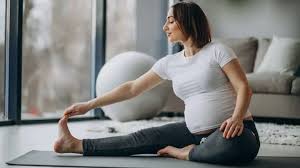
Pregnancy relaxation techniques are simple methods to help expecting mothers reduce stress and promote well-being. They involve breathing, mindfulness, and gentle movements. These practices can lead to a calmer pregnancy and can also ease the birthing process.
They focus on connecting mind and body.
Understanding Pregnancy Stress
Feeling stressed during pregnancy happens. Many things can cause it. Worries about the baby’s health are common.
Financial concerns can add stress. Changes in your body can feel overwhelming. Even daily life can feel harder sometimes.
Your body sends signals when it’s stressed. You might feel tired. Or you might have trouble sleeping.
Sometimes stress makes your muscles feel tight. Your heart might beat faster.
Your body’s stress response is natural. It’s like a built-in alarm system. Hormones like cortisol and adrenaline get released.
This is helpful in short bursts. It can help you react to danger. But when stress stays around, it’s not good.
It can affect your sleep. It can make you feel worn out. For your baby, long-term stress isn’t ideal either.
That’s why finding ways to calm down is so important. It helps you feel better. It helps your baby too.
Learning to manage this stress is a key part of a healthy pregnancy. It’s not about never feeling stressed. It’s about having tools to cope when you do.
These tools help you find peace. They help you enjoy this special time more. We will explore many ways to do this.
They are all designed to be safe and effective.
The Power of Deep Breathing
Breathing is something we do all the time. We don’t even think about it. But when you focus on your breath, it can be very powerful.
Deep breathing is a simple way to calm your nervous system. It tells your body it’s okay to relax. It’s like a gentle reset button.
When you take a deep breath, more oxygen goes into your lungs. Your body uses this oxygen. It helps your organs work better.
It can slow down your heart rate. It makes your blood pressure go down. Your tense muscles can start to loosen up.
This can bring a feeling of peace.
Let’s try a simple breathing exercise. Find a comfy spot. You can sit or lie down.
Close your eyes if that feels good. Place one hand on your belly. Place the other hand on your chest.
Now, breathe in slowly through your nose. Feel your belly rise. Try to keep your chest still.
Breathe in for a count of four. Hold your breath for a moment. Then, breathe out slowly through your mouth.
Let all the air out. Feel your belly fall. Breathe out for a count of six.
Repeat this a few times. Notice how you feel after a few breaths.
This type of breathing is sometimes called belly breathing or diaphragmatic breathing. It’s a core skill for relaxation. You can do it anytime, anywhere.
If you feel stressed at a doctor’s appointment, try it. If you wake up in the middle of the night, try it. The more you practice, the easier it becomes.
There are other breathing patterns too. You can try “box breathing.” You inhale for four counts. You hold for four counts.
You exhale for four counts. And you hold again for four counts. It makes a square pattern with your breath.
This can be very grounding.
Another helpful technique is “pursed-lip breathing.” You inhale through your nose. Then, you purse your lips like you’re going to whistle. You exhale slowly through these pursed lips.
This helps to slow down your exhale. It can make you feel more in control.
Remember to be gentle with yourself. If you feel dizzy, stop. If a certain way of breathing doesn’t feel right, try another.
The goal is to find what works for you. Your body is changing. What feels good today might be different tomorrow.
Breathing Exercise Quick Guide
Goal: Calm your body and mind.
How:
- Find a quiet place.
- Sit or lie down comfortably.
- Place one hand on your belly.
- Breathe in slowly through your nose. Feel your belly rise.
- Breathe out slowly through your mouth. Feel your belly fall.
- Repeat for a few minutes.
Try This: Count to 4 as you inhale. Count to 6 as you exhale.
Mindfulness and Meditation for Moms-to-Be
Mindfulness means paying attention. You pay attention to the present moment. You do this without judging.
It’s about noticing your thoughts. It’s about noticing your feelings. It’s about noticing your body.
You do this with kindness.
Meditation is a practice that helps you be mindful. It can be done in many ways. You don’t need to sit for hours.
Even a few minutes can make a difference. For pregnant people, mindfulness can be a true gift. It helps you feel more connected to yourself.
It helps you connect with your baby.
One simple mindfulness practice is a body scan. You bring your attention to different parts of your body. You start with your toes.
You notice any sensations there. Are they warm? Are they cool?
Do you feel pressure? Then you move up to your feet. You scan your ankles, your legs, and so on.
You go all the way up to the top of your head. You just notice. You don’t try to change anything.
This can help you become aware of tension. You might not have known it was there. When you notice tension, you can gently invite it to release.
You can use your breath to help. Breathe into the area that feels tight. As you exhale, imagine the tightness melting away.
Another approach is mindful awareness of your baby. You can place your hands on your belly. You can gently stroke your skin.
You can focus on the feeling of your baby moving inside you. You can send loving thoughts to your baby. Imagine your baby is safe and happy.
This builds a strong bond.
You might find guided meditations helpful. Many apps and websites offer them. Search for “pregnancy meditation” or “prenatal mindfulness.” These guided sessions can walk you through the process.
They often focus on themes like peace, strength, and connection.
Mindfulness isn’t about emptying your mind. Your thoughts will still come. That’s okay.
The practice is to notice them. Then, you gently bring your attention back. You might bring it back to your breath.
Or back to the feeling of your baby. It’s like training a puppy. Your mind wanders, and you gently guide it back.
Regular mindfulness practice can improve your mood. It can reduce feelings of anxiety. It can help you cope with the physical discomforts of pregnancy.
It prepares you for labor and delivery too. You learn to stay calm even when things are intense.
Mindfulness Practice Ideas
- Body Scan: Gently bring awareness to each part of your body.
- Baby Connection: Place hands on belly, feel movements, send love.
- Mindful Eating: Savor each bite of your food. Notice tastes and textures.
- Nature Walk: Pay attention to the sights, sounds, and smells around you.
- Guided Meditations: Use apps or online resources for support.
Key Idea: Be present without judgment.
Gentle Movement and Prenatal Yoga
Moving your body can feel wonderful during pregnancy. Gentle movement helps with circulation. It can ease aches and pains.
It also helps release pent-up energy. Prenatal yoga is a fantastic way to achieve this. It’s designed specifically for pregnant bodies.
Prenatal yoga focuses on poses that are safe for pregnancy. It also includes lots of stretching and breathing. The movements are slow and controlled.
They help you build strength. They also help you increase flexibility. This can be very useful during labor.
It can help your body prepare for birth.
Classes often include poses that open up the hips. This can be helpful as your baby grows. There are also poses that support your back.
Many poses help you connect with your breath. This is where the relaxation part comes in. The combination of movement and breathwork is very calming.
If you can’t get to a prenatal yoga class, don’t worry. There are many simple stretches you can do at home. Cat-cow pose is a good one.
You get on your hands and knees. You arch your back like a cat. Then you let your belly drop like a cow.
This gently mobilizes your spine.
Hip circles are also helpful. You can do them standing or on your hands and knees. You move your hips in a circular motion.
This can release tension in your lower back and hips.
Walking is another excellent form of gentle exercise. Aim for regular walks. They don’t have to be long or fast.
Just moving your body in the fresh air can be very beneficial. It’s a chance to clear your head.
Swimming is also a great option. The water supports your weight. This can make you feel lighter.
It can ease pressure on your joints. The rhythmic motion of swimming can also be very relaxing.
Always listen to your body. If a movement feels painful, stop. Avoid any poses that involve lying flat on your back for too long.
Your instructor or doctor can guide you on safe movements. The key is to move in a way that feels good and nurturing.
Gentle movement helps manage pregnancy symptoms too. It can reduce swelling in your legs. It can help prevent constipation.
It can even improve your sleep quality. Plus, the focus on your body and breath helps you feel more present. It’s a way to connect with the changes happening within you.
Safe Prenatal Movement Tips
- Prenatal Yoga: Focus on gentle poses and breathwork.
- Walking: Aim for regular, easy strolls outdoors.
- Swimming: Enjoy the buoyancy and calming rhythm.
- Stretching: Try simple, gentle movements like cat-cow and hip circles.
- Listen to Your Body: Never push through pain. Modify as needed.
Important: Always consult your healthcare provider before starting new exercises.
Progressive Muscle Relaxation (PMR)
Progressive Muscle Relaxation is a technique that sounds fancy, but it’s quite simple. It helps you learn to release tension in your body. You do this by tensing and then releasing different muscle groups.
You do it in a specific order.
The idea is that you become very aware of what tense muscles feel like. Then, when you release them, you notice the difference. You notice how good it feels to be relaxed.
This skill can be used anytime you feel stressed or tense.
Here’s how you can try it. Find a quiet place to sit or lie down. Make sure you are comfortable.
You will start with your toes. Curl your toes tightly. Hold the tension for about 5 seconds.
Then, release them completely. Notice the feeling of relaxation. Let it spread up your feet.
Next, move to your calves. Tighten your calf muscles. Hold for 5 seconds.
Then release. Feel the tension flow away. Continue this process up your body.
You will tense and release your thighs. Then your buttocks. Then your abdomen.
Then your chest. Then your arms and hands. Make a tight fist, hold, then release.
When you get to your shoulders, shrug them up towards your ears. Hold the tension. Then let them drop.
Feel them relax. For your neck, gently press your head back into your seat or pillow. Hold, then release.
Finally, you move to your face. Gently clench your jaw. Close your eyes tightly.
Wrinkle your forehead. Hold all these facial muscles tight for 5 seconds. Then, release everything.
Let your jaw hang slightly. Let your eyelids be soft. Smooth out your forehead.
Take a few deep breaths after you finish. Just notice how your whole body feels. It might feel heavy and warm.
It might feel light and tingly. This technique is very effective. It helps you recognize stress in your body.
It gives you a direct way to relieve it.
PMR can be especially helpful for sleep issues. If you lie awake at night with a racing mind or tense body, PMR can help. It physically exhausts the muscles, which can make falling asleep easier.
It also calms the mind by focusing your attention.
You can adapt PMR for pregnancy. If certain areas feel particularly tense, like your shoulders or lower back, you can focus more time there. Always be gentle.
You don’t need to create pain when tensing. Just a noticeable tightening is enough.
Progressive Muscle Relaxation Steps
1. Find Comfort: Sit or lie down in a peaceful spot.
2. Tense & Release: Work through muscle groups from toes to head.
- Toes: Curl, then relax.
- Calves: Tighten, then relax.
- Thighs: Tighten, then relax.
- Hands: Clench fists, then relax.
- Shoulders: Shrug up, then relax down.
- Face: Clench jaw, squeeze eyes, wrinkle nose, then relax all.
3. Notice: Feel the difference between tension and release.
4. Breathe: Take deep, calm breaths afterward.
Visualization and Imagery
Visualization is like daydreaming with a purpose. You use your imagination to create calming scenes. You picture yourself in a peaceful place.
You use all your senses to make it real in your mind. This can be incredibly soothing. It takes your mind away from worries.
It helps you feel relaxed and happy.
Think about a place where you feel truly at peace. Maybe it’s a beach. Imagine the warm sun on your skin.
Hear the gentle sound of the waves. Smell the salty air. Feel the soft sand between your toes.
See the clear blue sky.
Or perhaps it’s a quiet forest. Imagine the tall trees. Hear the birds singing.
Smell the pine needles. Feel the cool breeze on your face. See the sunlight filtering through the leaves.
You can also visualize a positive birth experience. Imagine yourself feeling strong and calm during labor. Picture your baby being born into your arms.
See yourself holding your healthy baby. Feel the overwhelming love and joy.
The key is to engage all your senses. What do you see? What do you hear?
What do you smell? What do you feel? The more vivid your imagination, the more effective it will be.
Visualization can be combined with deep breathing. As you breathe in, imagine yourself moving towards your peaceful place. As you breathe out, imagine releasing any stress or tension.
You can do this for just a few minutes. Or you can extend it for longer if you wish.
This technique is very personal. What feels peaceful to one person might not to another. Experiment with different scenarios until you find what resonates with you.
It’s a tool you can use anytime you need a break. It can be done at home, at work, or even during a stressful moment.
For pregnant individuals, visualization can also help build confidence. Imagining yourself handling labor well can make you feel more prepared. It’s a way of mentally rehearsing success.
This can reduce fear and anxiety.
It’s important to remember that this is a skill. Like any skill, it gets better with practice. Don’t get discouraged if your mind wanders.
Just gently bring it back to your scene. The intention and effort are what matter most.
Creating Your Peaceful Place
Choose a Scene: Beach, forest, garden, cozy room, or a memory.
Engage Your Senses:
- Sight: What colors do you see? What details stand out?
- Sound: What can you hear? (Water, wind, music, silence?)
- Smell: What scents are in the air? (Flowers, salt, earth?)
- Touch: What do you feel? (Sun, breeze, textures?)
- Taste: Is there anything you can taste? (Fresh air, a drink?)
Add Feeling: Imagine how peaceful, safe, and happy you feel.
Practice Regularly: Use it whenever you need to relax.
Aromatherapy and Essential Oils
Aromatherapy uses natural plant extracts. These extracts, called essential oils, have scents. These scents can affect your mood and well-being.
They can help you relax. They can also help you feel more energized. For pregnancy, certain oils are considered safe.
It’s always best to check with your healthcare provider. They can help you choose the right oils. They can also advise on safe use.
Some popular oils for relaxation include lavender, chamomile, and bergamot. Lavender is well-known for its calming properties. It can help reduce anxiety and promote sleep.
Chamomile is also very gentle. It can soothe nerves and ease feelings of stress. Bergamot has a lovely citrus scent.
It can uplift your mood and create a sense of calm.
How can you use essential oils? One common way is diffusion. You can use an essential oil diffuser.
You add water and a few drops of oil. The diffuser releases a fine mist into the air. This fills your space with the scent.
Make sure to use it in a well-ventilated room.
You can also add a few drops to a warm bath. The warm water and the scent can create a spa-like experience. Be sure to mix the oil with a carrier oil first.
Or use a bath bomb that contains essential oils. This helps the oil disperse in the water.
Another method is a massage. Dilute a few drops of essential oil with a carrier oil like almond or jojoba oil. Use this mixture for a gentle massage.
Your partner can help with this. Focus on areas that feel tense, like your shoulders or feet.
Some people like to put a drop on a tissue. You can then inhale the scent. Keep the tissue near your pillow.
Or keep it in your bag to use when needed.
It’s crucial to use essential oils correctly during pregnancy. Some oils are not safe. Always dilute them.
Never apply undiluted oils to your skin. Avoid ingesting them. Ensure you are buying high-quality oils from reputable sources.
If you have any allergies or sensitivities, be cautious. Always do a patch test on a small area of skin first. If you experience any irritation, discontinue use.
Pregnancy brings many changes. Your body might react differently to things.
The simple act of smelling a pleasant scent can trigger relaxation. It’s a sensory experience that can shift your mood. It can create a more peaceful environment for you and your baby.
Pregnancy-Safe Essential Oils for Relaxation
- Lavender: Calming, promotes sleep, reduces anxiety.
- Chamomile (Roman): Gentle, soothing, eases nerves.
- Bergamot: Uplifting, reduces stress, creates calm.
- Ylang Ylang: Can help with mood and relaxation (use sparingly).
- Frankincense: Grounding, promotes peace.
Safety First:
- Always dilute with a carrier oil (e.g., coconut, almond).
- Do not ingest.
- Use in well-ventilated areas.
- Consult your doctor before use.
The Importance of Sleep and Rest
Getting enough sleep is vital during pregnancy. Your body is working overtime. It needs time to rest and repair.
Sleep is not a luxury; it’s a necessity. Many pregnant people struggle with sleep. Your changing body can make it hard to get comfy.
Hormonal shifts can affect your sleep patterns.
Prioritizing rest can make a big difference. This doesn’t always mean a full eight hours of sleep. It can also include naps during the day.
Or simply taking breaks to sit and relax. Lying down with your feet up can help reduce swelling. It can also give your body a much-needed break.
Creating a good sleep environment is key. Make your bedroom dark and quiet. Keep the temperature cool.
Invest in comfortable pillows. Side sleeping is generally recommended during pregnancy. You can use a body pillow.
It can support your belly and hips. This can help you find a more comfortable position.
Avoid screens before bed. The blue light can interfere with your sleep hormones. Try reading a book.
Listen to calming music. Or practice some of the relaxation techniques we’ve discussed.
If you wake up in the night, don’t get frustrated. Try to stay calm. Use the time to do some gentle stretches.
Or practice deep breathing. Then, try to go back to sleep.
Rest isn’t just about sleep. It’s also about reducing your overall stress load. Learn to say no to things that will overwhelm you.
Delegate tasks if you can. Ask for help from your partner, family, or friends.
When you are well-rested, you handle stress better. You have more energy. You feel more patient.
Your body also functions more efficiently. This benefits both you and your baby.
Some common sleep disruptors during pregnancy include leg cramps and heartburn. Staying hydrated throughout the day can help with leg cramps. Eating smaller, more frequent meals can help with heartburn.
Sleeping on your left side can also relieve pressure on your digestive system.
Remember that it’s okay to slow down. Pregnancy is a time to be gentle with yourself. Give your body the rest it deserves.
Sleep Tips for Expecting Mothers
- Create a Dark, Cool Room: Make your bedroom a sanctuary.
- Side Sleep: Use pillows for belly and back support.
- Limit Screen Time: Avoid phones and TVs before bed.
- Relaxation Routine: Read, listen to music, or meditate.
- Daytime Naps: Catch up on rest when you can.
- Hydration: Drink water throughout the day, but limit fluids right before bed.
Listen to Your Body: Rest whenever you feel tired.
Creating a Relaxation Routine
Putting these techniques into practice is the key. It’s not about doing everything perfectly. It’s about finding what works for you.
And then making it a regular part of your life. A routine doesn’t have to be complicated. It just needs to be consistent.
Think about your day. When could you fit in a few minutes of relaxation? Maybe it’s first thing in the morning.
You could start your day with some deep breaths. Or perhaps it’s during your lunch break. A short walk or a few minutes of mindfulness can refresh you.
Evenings can be a good time to unwind. You might enjoy a warm bath with calming scents. Or you could do some gentle stretching.
Before bed, practice a relaxation technique. This can help signal to your body that it’s time to sleep.
The best routines are flexible. Life with a growing baby is unpredictable. Some days will be easier than others.
If you miss a day, don’t worry. Just pick up where you left off the next day. The goal is progress, not perfection.
Here’s an example of a simple routine:
Sample Daily Relaxation Routine
- Morning (5 minutes): Start with 5 deep belly breaths and a moment of gratitude.
- Midday Break (10 minutes): Listen to a guided meditation or take a short, mindful walk.
- Evening (15 minutes): Enjoy a warm bath with Epsom salts and a few drops of lavender oil, followed by gentle stretching.
- Before Bed (5 minutes): Practice progressive muscle relaxation or visualization.
Key: Adjust to fit your schedule and energy levels.
Don’t try to add too much too soon. Start with one or two techniques. Once they feel comfortable, you can add more.
Keep it simple. The aim is to feel better, not more stressed about a routine.
Consider talking to your partner or a friend about your relaxation goals. They can offer support. They might even want to join you.
Sharing the experience can make it more enjoyable. And it can help you stay accountable.
Remember, pregnancy is a journey. There will be ups and downs. Having these relaxation tools will help you navigate the challenges.
They will also enhance the joys. Your well-being is important. Taking time to relax is an act of self-care.
It’s also an act of love for your baby.
When to Seek Professional Help
While these relaxation techniques are powerful, they aren’t always enough. If you are experiencing severe anxiety or depression, it’s important to seek professional help. Your healthcare provider can assess your situation.
They can offer guidance and support.
Signs that you might need to talk to a doctor include:
- Persistent feelings of sadness or hopelessness.
- Intense worry that interferes with daily life.
- Difficulty functioning at work or home.
- Thoughts of harming yourself or your baby.
- Physical symptoms like panic attacks.
There are many resources available. Therapists, counselors, and support groups can provide valuable assistance. Don’t hesitate to reach out.
Your mental and emotional health are crucial. They impact your pregnancy and your baby’s well-being.
Sometimes, even with the best intentions, stress can feel overwhelming. It’s a sign of strength, not weakness, to ask for help. Professionals can offer strategies tailored to your specific needs.
They can ensure you and your baby receive the best possible care.
Conclusion
Pregnancy is a unique and transformative time. It’s filled with wonder and anticipation. It can also bring its own set of challenges and stresses.
Learning and practicing relaxation techniques can make a huge difference. They help you feel more at peace. They help you connect with your body and your baby.
From simple deep breathing to mindful movement, these tools are accessible. They are safe and effective. They empower you to navigate this journey with greater calm and joy.
Embrace these practices. They are a gift you give to yourself and your little one.