This comprehensive week-by-week guide details the key developmental milestones of your baby and the physical and emotional changes you’ll experience throughout your pregnancy. It covers early signs, trimester-specific developments, and common concerns, aiming to provide a clear roadmap for expectant parents.
Understanding Your Pregnancy Journey: A Week-by-Week Look
Pregnancy is a miracle. It’s a time of immense growth and change. Your body is working hard.
Your baby is developing fast. Understanding what happens each week can ease worries. It can also build excitement.
We’ll explore this journey together. We’ll look at every stage. From the very first signs to the final days.
This guide breaks down the amazing process. It covers your baby’s development. It also covers your own body’s journey.
We will touch on common feelings. We will also talk about what you might notice. This is a big adventure.
Having a map helps. This is your map.
Many people feel a mix of joy and nerves. It’s completely normal. You might have questions about your health.
You might wonder about your baby’s health. We aim to answer those questions. We do this in simple, easy ways.
Think of this as chatting with a friend. A friend who knows a lot about pregnancy.
My First Pregnancy Scare: A Real-Life Moment
I remember my first pregnancy quite vividly. I was about 10 weeks along. I’d been feeling a bit off, more than usual.
Then, one morning, I noticed a small amount of spotting. My heart just sank. It was a Saturday.
My doctor’s office was closed. Panic started to bubble up.
My mind raced with all sorts of worst-case scenarios. Was something wrong? Was I losing the baby?
I sat on the edge of my bed. I felt a cold dread. I kept replaying everything in my head.
Did I lift something too heavy? Did I eat something I shouldn’t have? The world felt a little shaky.
I called the on-call nurse. She was calm and reassuring. She told me a little spotting can be normal.
She advised me to rest and drink plenty of water. She said to call back if it got worse. That phone call was a lifeline.
It helped calm my racing thoughts. It reminded me that not every change is a disaster.
Later that day, the spotting stopped. Everything was fine. But that scare taught me something important.
Pregnancy has its ups and downs. It’s okay to feel worried. It’s also important to trust your doctor or midwife.
And to remember that many small things are often not serious. It was a lesson in seeking calm amidst the storm of early pregnancy nerves.
Understanding Due Dates
Your due date is an estimate. It’s usually 40 weeks from your last menstrual period. Doctors often use it to track progress.
But babies arrive when they’re ready. Many are born within a week or two of the due date. Don’t stress too much about the exact number.
The First Trimester: Weeks 1-13 – The Beginning of Everything
This is where it all starts. It’s a time of rapid development. Your body is changing fast.
Your baby is growing from a tiny cell. It’s like a super-fast construction project. You might feel tired a lot.
Morning sickness can be common. But it’s all part of creating new life.
Weeks 1-4: Conception and Early Cell Growth
Week 1 is based on your last period. Week 2 is when ovulation happens. Fertilization, conception, usually occurs around week 3.
A tiny cluster of cells forms. It’s called a zygote. It starts to divide.
It travels down to your uterus.
By week 4, this cluster is a blastocyst. It implants in your uterine lining. This is a key moment.
It means pregnancy has begun. You might not even know it yet. You might feel a bit different.
Maybe a little more tired. Or your breasts might feel tender.
Quick Scan: Early Pregnancy Signs
Missed Period: Often the first clear sign.
Nausea/Vomiting: Known as morning sickness, but can happen anytime.
Breast Changes: Tenderness, swelling, or darker areolas.
Fatigue: Feeling unusually tired is very common.
Frequent Urination: Your body is producing more fluid.
Weeks 5-8: Major Organ Formation
This is a crucial time. Your baby is now an embryo. Major organs start to form.
A tiny heart begins to beat. The neural tube develops. This will become the brain and spinal cord.
The baby has a head and a body shape.
You might be feeling the symptoms more strongly now. Nausea, fatigue, and mood swings are common. Your uterus starts to grow.
It’s still small, but it’s growing. Your body is adjusting to support the pregnancy.
Weeks 9-13: The Fetus Takes Shape
By week 9, your baby is called a fetus. This stage is about refinement. Fingers and toes form.
Facial features start to appear. The ears develop. The organs are in place.
They will continue to grow and mature.
Your baby’s heartbeat can be heard with a Doppler. You might start to feel a bit better. Nausea may lessen for some.
Energy levels might increase. This is often called the start of the second trimester feeling. Your belly might start to show a little.
Especially if this isn’t your first pregnancy.
Contrast: Normal First Trimester vs. Concerning Signs
Normal: Mild cramping, occasional light spotting, fatigue, nausea, frequent urination, mood swings.
Concerning: Heavy bleeding (like a period), severe abdominal pain, high fever, severe vomiting that prevents keeping fluids down, dizziness.
Always consult your doctor if you are worried.
The Second Trimester: Weeks 14-27 – The Golden Period
Many people call this the “golden period” of pregnancy. Your energy levels often return. Nausea might disappear.
You’ll likely start to feel your baby move. Your baby is growing and strengthening. Your body is adapting.
You might feel more like yourself again.
Weeks 14-17: Baby’s Growth and Movement
Your baby’s skin is forming. They start to develop a fine hair called lanugo. Eyebrows and eyelashes may appear.
Your baby can swallow. They can even suck their thumb. Their skeleton is hardening.
You might start to feel faint flutters. These are your baby’s first movements. It’s called quickening.
It can feel like tiny bubbles or gentle kicks. Some people feel it earlier than others. If you’re a first-time mom, it might take a bit longer to notice.
Weeks 18-21: Baby’s Senses and Your Growing Belly
Your baby’s senses are developing. They can hear sounds now. They can react to loud noises.
Their skin is becoming less transparent. A protective white coating called vernix starts to form.
Your belly will be more noticeable now. Clothes might feel snug. You might feel your baby’s kicks more strongly.
This is a time of bonding. You can talk to your baby. They can hear your voice.
Your partner can too.
Observational Flow: Baby’s Growth Milestones
Week 14: Baby can squint, frown, and make faces.
Week 16: Baby’s movements become stronger.
Week 18: Baby can hear your voice.
Week 20: Often the halfway point of pregnancy. Baby is covered in vernix.
Week 24: Lungs are developing significantly.
Weeks 22-27: Developing Organs and Your Well-being
Your baby’s lungs are maturing. They are practicing breathing motions. Their brain is growing rapidly.
Their hair may start to grow. Your baby is gaining weight. They look more like a newborn now.
You might experience some discomfort. Backaches can start. Swelling in your feet and ankles is common.
Braxton Hicks contractions, practice contractions, might begin. These are usually painless. They feel like a tightening of your belly.
Quick-Scan Table: Second Trimester Changes
| Mom’s Changes | Baby’s Development |
|---|---|
| Increased energy | Hearing develops |
| Less nausea | Movement becomes stronger |
| Visible baby bump | Facial features refine |
| Feeling baby move | Lanugo (fine hair) appears |
| Potential backaches/swelling | Vernix (waxy coating) forms |
The Third Trimester: Weeks 28-40 – Preparing for Arrival
This is the final stretch. Your baby is getting ready to meet the world. They are growing fast.
You are likely feeling very pregnant now. Your body is preparing for labor. There’s a lot of anticipation.
Weeks 28-31: Baby Gets Ready to Breathe
Your baby’s lungs are still developing. They are producing surfactant. This substance helps the air sacs stay open.
Their bones are hardening. But their skull remains soft. This helps them pass through the birth canal.
You might feel your baby moving a lot. They have less room now. Their movements might feel like stronger kicks or rolls.
You may feel more tired again. Shortness of breath can occur. Your baby’s head might start to move down into your pelvis.
Weeks 32-35: Baby Gains Weight and Organ Maturity
Your baby is gaining weight rapidly. They are filling out. Their body fat is increasing.
This helps them regulate their body temperature after birth. Their organs are nearly fully developed. The brain continues to grow.
You might experience more Braxton Hicks contractions. They can become stronger and more frequent. Pelvic pressure can increase.
Your cervix may start to soften and thin out. This is called effacement. It’s part of the preparation for labor.
Stacked Micro-sections: Third Trimester Preparations
Baby’s Position: Baby often settles head-down.
Breathing Practice: Lungs mature, but still need time.
Weight Gain: Baby adds a pound or more per week.
Mom’s Energy: Often dips; nesting instinct may appear.
Cervix Changes: Softening and thinning begin.
Weeks 36-40: The Final Countdown
Your baby is considered full-term at 37 weeks. Their lungs are ready. Most of their organs are mature.
They continue to grow. They are waiting for the signal to be born.
You might feel nesting instincts. A strong urge to clean and prepare your home. Your baby will likely drop lower into your pelvis.
This is called lightening. It can make breathing easier. But it can increase pelvic pressure.
True labor contractions will become regular. They will get longer and closer together.
The last few weeks are a mix of waiting and wonder. You’ve done amazing work. Your body has done amazing work.
Soon, you’ll meet your little one. This final stage is a testament to the journey. It’s the culmination of all the growth.
Split Insight Panel: When to Call Your Doctor
Label: Signs of Labor
Note: Regular, strong contractions that get closer together. Water breaking (a gush or trickle). Significant vaginal bleeding.
Decreased baby movement.
Label: Potential Complications
Note: Severe headache, blurred vision, sudden swelling, severe abdominal pain. These can be signs of preeclampsia.
Real-World Context: Common Pregnancy Scenarios
Pregnancy looks different for everyone. But there are common themes. Understanding these scenarios can help.
It makes the experience feel less isolating. It shows that many things are normal.
Environment and Lifestyle
Where you live matters. If you live in a hot climate, you might feel more swollen. You might need to stay hydrated.
If you live in a colder place, you might need warmer clothes sooner. Your lifestyle also plays a big role.
Daily habits are key. Eating healthy foods fuels your baby. Getting enough sleep helps your body cope.
Gentle exercise can boost your mood and strength. Avoiding harmful substances is vital for your baby’s health. This includes smoking, certain medications, and excessive alcohol.
Design, Materials, and User Behavior
Think about your home. Are there trip hazards as your belly grows? Do you need to adjust how you lift things?
Your body changes. Your needs change. You might need better support for your back.
Special pillows can help you sleep. Maternity clothes offer comfort. They adapt to your changing shape.
User behavior means how you adapt. You learn to listen to your body. You rest when you need to.
You ask for help. You make choices that support your pregnancy. It’s about adjusting your routine.
It’s about prioritizing your well-being and your baby’s.
What This Means for You: Navigating the Weeks
Knowing what to expect can be empowering. It helps you prepare. It allows you to enjoy the journey more.
Not every week will be the same. Some weeks are big on physical changes. Others are more about internal development.
When It’s Normal: Everyday Pregnancy Life
Feeling tired in the first trimester is normal. Feeling a burst of energy in the second is normal. Experiencing a bigger belly and aches in the third is normal.
Feeling your baby move is normal. Some nausea is normal. Frequent urination is normal.
These are signs your body is working hard. It’s creating and nurturing new life. Most of these changes are temporary.
They are part of the process. They show that everything is progressing as it should.
When to Worry (and Who to Call)
While most of pregnancy is normal, some signs need attention. These are often sudden or severe. Heavy bleeding, like a period, is a concern.
Severe, constant abdominal pain is not typical. High fever can be a sign of infection. If you notice a significant decrease in your baby’s movements, you should contact your doctor.
Also, watch for signs of preeclampsia. These include severe headaches, vision changes, and sudden swelling. These are serious.
They need medical evaluation quickly. It’s always better to be safe. If you feel something is wrong, call your healthcare provider.
They are there to help.
Simple Checks You Can Do
One simple check is monitoring baby’s movements. Once you feel them regularly, notice a pattern. If the pattern changes drastically, reach out.
You can also track your own symptoms. Keep a log of unusual feelings.
Pay attention to your body. Are you drinking enough water? Are you getting enough rest?
Small checks can help you stay on track. They are about self-awareness. They empower you to be an active participant in your health.
Quick Tips for a Smoother Pregnancy
These are not medical advice. They are simple, practical tips. Many parents find them helpful.
They can make your daily life more comfortable.
- Stay Hydrated: Drink plenty of water throughout the day.
- Eat Nutritious Foods: Focus on fruits, vegetables, lean protein, and whole grains.
- Get Enough Rest: Listen to your body. Nap when you can.
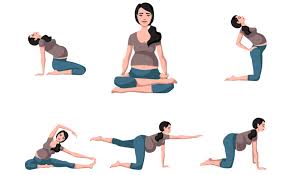
- Gentle Exercise: Walking, swimming, or prenatal yoga can be beneficial.
- Wear Comfortable Shoes: Your feet may swell.
- Support Your Belly: A pregnancy support belt can help with back pain.
- Manage Nausea: Try small, frequent meals. Ginger can help.
- Talk to Your Partner: Share your feelings and concerns.
Myth vs. Reality: Pregnancy Common Beliefs
Myth: You need to eat for two.
Reality: You need to eat more, but it’s about nutrient density, not quantity. Usually about 300 extra calories in the second and third trimesters.
Myth: You can’t exercise during pregnancy.
Reality: Moderate exercise is generally safe and beneficial. Always check with your doctor first.
Myth: Heartburn means the baby will have a lot of hair.
Reality: Heartburn is caused by hormonal changes and pressure on the stomach. There’s no proven link to baby’s hair.
Frequently Asked Questions About Pregnancy Weeks
When can I hear my baby’s heartbeat?
You can usually hear your baby’s heartbeat with a Doppler device around 10-12 weeks of pregnancy. Some early ultrasounds can detect it even sooner, around 6-8 weeks.
How much weight should I gain during pregnancy?
Weight gain recommendations vary based on your pre-pregnancy weight. Generally, it’s between 25-35 pounds. Your doctor will give you personalized advice.
What is quickening?
Quickening is the term for when you first feel your baby move. This usually happens between 16-25 weeks of pregnancy, often earlier for those who have been pregnant before.
Is it normal to feel dizzy during pregnancy?
Yes, dizziness can be common, especially in the first trimester. It can be due to hormonal changes or lower blood pressure. Staying hydrated and moving slowly can help.
If it’s severe or frequent, talk to your doctor.
What is the difference between Braxton Hicks and true labor?
Braxton Hicks contractions are irregular and don’t get closer together. True labor contractions are regular, get stronger, and closer together over time. They often cause progressive cervical change.
Can I travel during pregnancy?
Generally, travel is safe during the second trimester, which is often the most comfortable. However, it’s crucial to consult your doctor before making any travel plans, especially later in pregnancy or if you have complications.
Conclusion: Embracing Your Pregnancy Journey
This week-by-week guide has shown you the amazing changes. Your baby’s growth is a miracle. Your body’s adaptation is incredible.
Remember to be kind to yourself. Every pregnancy is unique. Trust your instincts and your healthcare team.
You are doing great!