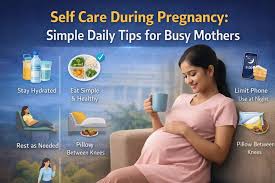
Welcoming a new life is a beautiful journey. It also brings many changes to your body and mind. During pregnancy, taking good care of yourself is super important. It helps you stay healthy and strong. It also helps your baby grow well. This guide will walk you through ways to feel your best. We will cover simple tips for every stage. You’ll learn how to manage common discomforts too.
Self-care during pregnancy is about active nurturing. It means listening to your body and giving it what it needs. This includes eating well, resting enough, and managing stress. It’s a vital part of a healthy pregnancy for both parent and baby.
Understanding Your Pregnancy Needs
Pregnancy changes your body a lot. Your hormones shift. Your body works hard to grow a baby. You might feel tired. You might feel sick. You might have aches and pains. Knowing these common changes helps you understand what your body needs. It’s a time for extra attention to your well-being.
Your body is doing amazing work. It’s building a whole new human. This takes a lot of energy. Think of yourself as a highly skilled athlete. You need proper fuel, rest, and support. That’s what pregnancy self-care is all about. It’s not selfish; it’s essential.
Nourishing Your Body: What to Eat and Drink
What you eat and drink matters a lot. It fuels you and your growing baby. Focus on balanced meals. Include lots of fruits and vegetables. Whole grains are good for energy. Lean proteins help build the baby. Healthy fats are important too.
Hydration is Key
Drink plenty of water. Aim for at least 8-10 glasses a day. Water helps prevent constipation. It also keeps you from getting too tired. Sometimes, you might crave different drinks. Stick to water mostly. If you want something else, try milk or diluted fruit juice. Avoid sugary drinks.
Key Nutrients for Mom and Baby
Certain nutrients are extra important now.
- Folic Acid: This helps prevent birth defects. Your doctor will likely give you a prenatal vitamin.
- Iron: You need more iron to make more blood. This helps carry oxygen to the baby.
- Calcium: It builds strong bones and teeth for the baby.
- Vitamin D: This helps your body absorb calcium.
- Protein: It’s the building block for the baby’s cells.
Rest and Sleep: Your Body’s Best Friend
Pregnancy can make you feel very tired. Your body needs more sleep. Listen to your body. Take naps when you can. Try to go to bed a little earlier. A good night’s sleep is gold.
Creating a Sleep Sanctuary
Make your bedroom a cozy place to sleep. Keep it dark and quiet. A cool room is often best. Try using extra pillows. Many moms find relief with a body pillow. It supports your belly and back.
Dealing with Sleep Troubles
Some nights can still be tough. You might wake up to go to the bathroom. You might feel uncomfortable. Try to relax your mind before bed. Avoid screens for an hour before sleep. Gentle stretching can also help.
Emotional Well-being: Caring for Your Mind
Pregnancy is a time of big emotions. You might feel excited. You might feel worried. You might feel anxious. All these feelings are normal. It’s okay to talk about them.
Managing Stress and Anxiety
Find ways to relax. Deep breathing exercises can help calm you. Gentle yoga is good for mind and body. Spending time in nature can be very soothing. Talk to your partner, friends, or family.
Seeking Support
If you feel very sad or anxious, talk to your doctor. They can offer support and resources. Mental health is just as important as physical health. There are many people who want to help you.
Quick Stress Relief Tools
Deep Breathing: Inhale slowly through your nose, hold for a few seconds, exhale slowly through your mouth. Repeat several times.
Mindful Moments: Focus on one thing you can see, hear, smell, taste, or touch right now. This brings you to the present.
Listen to Music: Calming music can soothe your nerves.
Gentle Movement: A short walk or some light stretching can ease tension.
Physical Comfort: Easing Pregnancy Aches
Many common aches come with pregnancy. Your back might hurt. Your feet might swell. Your hips might feel sore. There are ways to make these better.
Relieving Back Pain
Good posture helps a lot. Try to stand up straight. Avoid standing for too long. Wear comfortable, supportive shoes. A warm bath can soothe sore muscles. Your doctor might suggest a maternity support belt.
Managing Swollen Feet and Ankles
Keep your feet elevated when you can. This helps fluid drain away. Avoid standing or sitting for long periods. Gentle foot massages can feel wonderful. Drink enough water; it sounds odd, but it helps.
Dealing with Heartburn and Indigestion
Heartburn is common later in pregnancy. Avoid spicy foods. Eat smaller meals more often. Don’t lie down right after eating. Your doctor can recommend safe remedies.
Simple Comfort Tips
Clothing: Wear loose, comfortable clothes. Avoid tight waistbands.
Shoes: Choose low heels or flats. Make sure they offer good support.
Bathing: Warm baths can relax tired muscles. Avoid very hot water.
Sleeping Position: Sleep on your side, especially your left side. Use pillows for support.
Safe Exercise During Pregnancy
Staying active is good for you and your baby. Exercise can boost your mood. It can help you sleep better. It can prepare your body for labor. Always talk to your doctor before starting or changing an exercise routine.
Recommended Activities
Walking is a great choice. Swimming is also excellent. It’s easy on your joints. Prenatal yoga and Pilates can be very beneficial. Low-impact aerobics are good too.
Activities to Avoid
Stay away from activities with a high risk of falling. Avoid contact sports. Don’t do exercises where you could get hit in the stomach. Listen to your body; if something feels wrong, stop.
Important Prenatal Care Visits
Regular doctor visits are a cornerstone of self-care. Your healthcare provider monitors your health. They also check your baby’s growth. These visits are your chance to ask questions.
What to Expect at Appointments
Your doctor will check your weight and blood pressure. They will listen to the baby’s heartbeat. They will measure your belly. You’ll discuss any symptoms or concerns you have. They can provide guidance tailored to you.
Asking the Right Questions
Don’t be afraid to ask anything. Write down your questions before your visit. Ask about diet, exercise, and any worries you have. Your doctor is your partner in this journey.
Preparing Your Home for Baby
As your due date gets closer, nesting instincts might kick in. Preparing your home can be a form of self-care. It helps you feel organized and ready.
Creating a Safe Nursery Space
Think about where the baby will sleep. Ensure the crib is safe. Keep the room at a comfortable temperature. You don’t need a lot of fancy gear. Simple and safe is best.
Gathering Essentials
Focus on what you truly need. Diapers, wipes, and clothes are key. You’ll also need feeding supplies. Think about a comfortable place for you to feed. Don’t overspend on things you might not use.
Essential Baby Items Checklist
Feeding: Bottles, formula (if not breastfeeding), nursing pillow.
Diapering: Diapers, wipes, diaper cream.
Sleeping: Safe crib or bassinet, fitted sheets.
Clothing: Onesies, sleepers, socks, hats.
Bathing: Baby bathtub, gentle soap, soft towels.
Your Support System: Leaning on Others
You don’t have to do this alone. Building a strong support system is vital self-care. Lean on your partner, family, and friends.
Communicating Your Needs
Be clear about what you need. Some people want to help but don’t know how. Tell them what would be most useful. It could be help with chores, a listening ear, or just company.
Connecting with Other Moms
Joining a local parenting group can be helpful. Online communities offer support too. Hearing from others who are going through similar things can be comforting. You’re not the only one feeling this way.
Common Pregnancy Changes and How to Cope
Let’s dive deeper into some common pregnancy experiences. Knowing what to expect can make them less scary.
Morning Sickness (Nausea and Vomiting)
This is common, especially in the first trimester. It can happen any time of day.
- Eat small, frequent meals.
- Keep bland snacks handy. Crackers or dry toast can help.
- Avoid strong smells.
- Stay hydrated. Sip water or clear liquids.
If it’s severe, talk to your doctor.
Fatigue
Feeling drained is a hallmark of pregnancy. Your body is working overtime.
- Prioritize rest. Nap when you can.
- Don’t overcommit. Say no to extra tasks if needed.
- Ask for help. Delegate chores.
Frequent Urination
Your growing uterus presses on your bladder. Your body also produces more fluid.
- Drink plenty of fluids. Don’t cut back.
- Go when you feel the urge.
- Empty your bladder completely. Lean forward slightly.
Constipation
Hormones slow down your digestion. This can lead to constipation.
- Eat more fiber. Fruits, veggies, and whole grains.
- Drink lots of water.
- Gentle exercise helps.
Ask your doctor about safe fiber supplements if needed.
Leg Cramps
These often strike at night. They can be painful.
- Stretch your calf muscles. Point your toes up.
- Stay hydrated.
- Increase calcium and magnesium. Talk to your doctor.
Backaches
Your posture changes. Your ligaments soften.
- Wear supportive shoes.
- Practice good posture.
- Use a pregnancy pillow.
- Avoid heavy lifting.
Myth vs. Reality: Pregnancy Discomforts
Myth: Morning sickness means you’re carrying a girl.
Reality: There’s no scientific proof for this. Nausea is linked to hormone levels.
Myth: You should “eat for two” and double your intake.
Reality: You need more calories, but not double. Focus on nutrient-dense foods.
Myth: You must avoid all exercise.
Reality: Moderate exercise is usually safe and beneficial. Always consult your doctor.
Travel During Pregnancy
Many people wonder about traveling while pregnant. It’s often possible, but with precautions. Always discuss travel plans with your doctor. They can advise based on your specific health.
When is it Safest to Travel?
The second trimester is often considered the safest. Nausea may have subsided. Your energy levels might be higher. Travel later in pregnancy can be more tiring.
Tips for Traveling Comfortably
- Stay hydrated.
- Take breaks to walk. This helps circulation.
- Wear comfortable clothing.
- Bring any necessary medications.
- Consider travel insurance.
For long trips, especially by car or plane, talk to your doctor. They may recommend compression stockings.
Self-Care in the Third Trimester
The third trimester is about preparing for birth. You’ll likely feel more pressure. Your body is getting ready. Self-care shifts focus.
Resting and Preparing for Labor
Focus on conserving energy. Rest is crucial. You might start to feel more nesting urges. Gentle preparation for labor is key. This could include childbirth classes or birth plan discussions.
Pelvic Floor Exercises (Kegels)
These exercises strengthen muscles that support your uterus. They can help with bladder control. They can also help in labor and recovery. Your doctor or midwife can show you how.
Comfort Measures for Late Pregnancy
As your belly grows, comfort is paramount.
- Supportive bras can help.
- Footrests are great for relieving pressure.
- Prenatal massages can ease tension.
Listen to your body. It’s telling you what it needs.
Recognizing When to Seek Medical Advice
While this guide covers common issues, always know when to call your doctor. Some symptoms need immediate attention.
Warning Signs to Watch For
- Severe headaches
- Vision changes
- Sudden swelling, especially in your hands and face
- Severe abdominal pain
- Vaginal bleeding
- Leaking fluid from your vagina
- Decreased baby movement
- Fever
- Chills
This list is not exhaustive. If something feels wrong, call your provider.
The Role of Nutrition Beyond Vitamins
While prenatal vitamins are essential, they aren’t a substitute for a healthy diet. Think about the quality of your food.
Whole Foods Focus
Prioritize foods in their natural state.
- Fresh fruits and vegetables of all colors.
- Lean meats, poultry, and fish.
- Legumes like beans and lentils.
- Nuts and seeds.
- Healthy fats like avocado and olive oil.
Foods to Limit or Avoid
Certain foods can pose risks during pregnancy.
- Raw or undercooked meats, poultry, and seafood.
- Certain types of fish high in mercury.
- Unpasteurized dairy products.
- Deli meats and hot dogs unless heated thoroughly.
- Excessive caffeine.
- Alcohol (it’s best to avoid completely).
Your doctor will provide a detailed list.
Pregnancy Nutrition Dos and Don’ts
DO: Eat a balanced diet rich in fruits, vegetables, and lean protein.
DON’T: Consume raw eggs or unpasteurized cheese.
DO: Stay well-hydrated with water.
DON’T: Drink alcohol or limit caffeine intake significantly.
DO: Take your prenatal vitamin as prescribed.
DON’T: Rely solely on supplements; food is primary.
The Mental Load of Pregnancy
Beyond the physical, pregnancy carries a mental load. Thinking about the baby, birth, and new responsibilities can be overwhelming.
Practicing Mindfulness
Mindfulness means paying attention to the present moment. It can help reduce anxiety.
- Notice your breath for a few minutes each day.
- Savor simple activities like drinking tea or walking.
- Acknowledge your thoughts without judgment.
Journaling Your Thoughts
Writing down your feelings can be very therapeutic. It helps process emotions. You can track your symptoms too. It becomes a wonderful record later.
Self-Care After Birth: Looking Ahead
While this guide focuses on pregnancy, remember that self-care continues after the baby arrives. The postpartum period is also demanding. Planning for it now is a form of self-care.
Rest Will Be Scarce
Sleep deprivation is real. Accept help when offered. Prioritize rest over chores.
Nutrition is Still Key
Your body needs fuel to recover and produce milk. Keep healthy snacks and meals ready.
Emotional Support Continues
Postpartum mood changes are common. Don’t hesitate to seek help. Connect with your partner and support network.
Conclusion: Embrace Your Pregnancy Journey
Pregnancy is a unique time. It’s filled with wonder and sometimes worry. By practicing self-care, you empower yourself. You nurture your body and mind. You give yourself and your baby the best start. Remember to be kind to yourself. This is a marathon, not a sprint. Enjoy the process.
Frequently Asked Questions About Pregnancy Self-Care
What are the most important self-care practices during pregnancy?
The most important self-care practices include eating a balanced diet, staying hydrated, getting enough rest, managing stress, engaging in safe exercise, and attending all prenatal appointments. Listening to your body is also key.
How much rest do I really need during pregnancy?
Pregnancy requires significantly more rest than usual. Aim for 7-9 hours of sleep per night and take naps whenever you feel tired. Your body is doing a lot of work, so it needs recovery time.
Is it safe to exercise while pregnant?
For most women, moderate exercise is safe and beneficial during pregnancy. However, always consult your doctor before starting or continuing any exercise routine. They can advise on safe activities and intensity levels.
What are some natural ways to relieve common pregnancy discomforts like nausea or back pain?
For nausea, try small, frequent meals, ginger, and avoiding strong smells. For back pain, focus on good posture, supportive shoes, and gentle stretching. A maternity pillow can also help. Always discuss persistent discomforts with your doctor.
Should I worry about my mental health during pregnancy?
Yes, it’s crucial to monitor your mental health. Feelings of anxiety, sadness, or stress are common but should be addressed. Talk to your partner, friends, or doctor if you feel overwhelmed or persistently down.
What foods should I avoid during pregnancy?
You should avoid raw or undercooked meats, poultry, and seafood; certain fish high in mercury; unpasteurized dairy products; deli meats and hot dogs unless heated thoroughly; excessive caffeine; and all alcohol.
When should I call my doctor during pregnancy?
You should call your doctor if you experience severe headaches, vision changes, sudden swelling, severe abdominal pain, vaginal bleeding, leaking fluid, decreased baby movement, fever, or chills. When in doubt, always reach out.