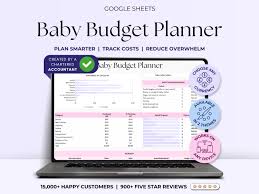
Effective baby budget planning involves estimating all new costs, from diapers to healthcare. It means saving proactively, cutting non-essential spending, and exploring ways to reduce baby-related expenses. Prioritizing needs over wants and building a flexible financial cushion are key to managing your new family’s finances with confidence.
Understanding Baby Budgeting
What exactly is baby budget planning? It’s simply making a plan for your money. This plan focuses on your baby’s needs. It starts before the baby arrives. It continues even after they are born. The goal is to know where your money will go. You want to make sure you have enough. It helps you avoid financial surprises later.
Babies need a lot of things. They need clothes, food, and a safe place to sleep. They also need medical care. All these things cost money. Some costs are one-time purchases. Others are ongoing monthly expenses. Budgeting helps you see the whole picture. It shows you the upfront costs. It also shows you the long-term costs.
Why is this planning so important? Because babies are expensive. But they don’t have to break the bank. Smart planning makes a big difference. It lets you enjoy this special time. You won’t be as worried about money. It gives you peace of mind. This allows you to focus on your baby.
My Own Baby Budget Story
I remember when my first child was on the way. My partner and I were so excited. We bought tiny socks and cute onesies. Then reality hit. We looked at our bank account. We had spent a lot already. We hadn’t even thought about the stroller. Or the crib. Or the car seat.
Panic started to set in. We realized we hadn’t planned well. We had no idea about the ongoing costs. Like diapers. So many diapers! And formula, if needed. We felt a bit foolish. We were so caught up in the joy. We forgot about the practical side.
That’s when we sat down. We made a real budget. We listed everything we thought we needed. We researched prices. We looked at our current spending. We figured out where we could cut back. It was tough at first. But it felt so much better. Knowing we had a plan gave us confidence. It truly made a difference.
The Big Where Does the Money Go?
Babies bring a wave of new expenses. It’s helpful to group them. This makes them easier to manage.
- One-Time Purchases: These are things you buy once. Like a crib, car seat, or stroller.
- Ongoing Costs: These happen every month. Think diapers, wipes, formula, and clothes.
- Healthcare: Doctor visits, medicines, and potential emergencies.
- Childcare: If you plan to return to work.
- Adjusted Living Costs: Maybe a bigger car or more utilities.
Essential Baby Items: What You Really Need
Let’s talk about the stuff babies need. It’s easy to go overboard. You see all the cute things. But focus on the essentials first. You can always get more later.
Think about sleeping. You’ll need a safe crib. Or a bassinet. A firm mattress is important. You will also need sheets. Many parents also get a baby monitor. For feeding, consider bottles and formula. Or if you plan to breastfeed, a good pump might be useful.
Diapers are a big one. You can choose disposable or cloth. Wipes are also a must. For clothing, get a few basics. Onesies, sleepers, and socks. Babies grow fast. You don’t need a huge wardrobe at first. A car seat is legally required. Make sure it’s installed correctly.
Essential Baby Gear Checklist
| Category | Key Items | Notes |
|---|---|---|
| Sleeping | Crib or Bassinet, Firm Mattress, Sheets, Baby Monitor | Safety first for sleep. |
| Feeding | Bottles, Formula (if not breastfeeding), Burp Cloths | Get a few to start. |
| Diapering | Diapers (Disposable or Cloth), Wipes, Diaper Cream, Changing Pad | Stock up, but not too much at once. |
| Clothing | Onesies, Sleepers, Socks, Swaddles | Start with a few sizes. |
| Travel/Safety | Infant Car Seat, Stroller, Baby Carrier | Check safety ratings. |
Estimating Your Baby’s Costs
Now let’s get into the numbers. This is where budget planning gets serious. It’s hard to give exact figures. Costs vary a lot by location and choices. But we can look at ranges. This helps you estimate your own costs.
First, the big-ticket items. A good crib can cost $150 to $500. A safe car seat ranges from $100 to $400. A stroller might be $100 to $800 or more. You can save here. Think about gently used items.
Then come the monthly expenses. Diapers can cost $70 to $100 per month. Formula can be $100 to $200 per month. Baby food starts later, around $50-$100 monthly. You’ll also buy new clothes as they grow. That could be $30 to $80 each month.
Monthly Baby Expenses – Estimated Ranges
These are just averages. Your costs may differ.
| Expense Type | Average Monthly Cost (U.S. Dollars) |
|---|---|
| Diapers & Wipes | $70 – $100 |
| Formula (if used) | $100 – $200 |
| Clothing (new items) | $30 – $80 |
| Baby Food (starting ~6 months) | $50 – $100 |
| Healthcare (co-pays, etc.) | $20 – $50 (can be much higher if issues arise) |
Saving Money on Baby Items
You don’t need to spend a fortune. There are smart ways to save money. For example, accepting hand-me-downs. Friends and family often have baby clothes. They are happy to share. Just make sure they are clean and safe.
Buying used items is another great option. Many baby gear items are used for a short time. You can find excellent condition cribs, strollers, and toys. Check online marketplaces. Look for local parent groups. Just be sure to check for recalls.
Think about diapers. Buying in bulk often saves money. Compare prices at different stores. Some parents choose cloth diapers. The upfront cost is higher. But they can save money over time. You can also make your own baby food. It’s often cheaper and healthier.
Smart Saving Strategies
Here are some quick money-saving ideas:
- Accept Hand-Me-Downs: Clothes, toys, and small gear.
- Buy Used Gear: Strollers, cribs, swings. Check safety first.
- Rent Items: For items you might use rarely.
- Registry Bonuses: Some stores offer completion discounts.
- Wait for Sales: For non-urgent items.
Building Your Baby Budget Spreadsheet
A spreadsheet is your best friend here. It helps organize everything. You can use Google Sheets or Excel. Or even a simple notebook.
Start by listing your income. Then list all your current expenses. This is your baseline. Now, add a new section for baby costs. Break it down into one-time purchases. And then monthly ongoing costs. Research prices and add estimates.
Look at your total expected baby spending. See how it fits into your current budget. This is where you might need to make cuts. Identify areas where you can spend less. Maybe dining out less. Or cutting down on subscriptions. Every little bit helps.
Spreadsheet Section Ideas
Structure your spreadsheet like this:
- Column A: Item/Category (e.g., Crib, Diapers, Formula)
- Column B: Estimated Cost (One-time or Monthly)
- Column C: Actual Cost (Track as you buy)
- Column D: Savings Notes (e.g., “Used,” “On Sale”)
- Column E: Date Purchased
Create separate tabs for “One-Time Costs” and “Monthly Costs.”
Considering the Impact on Your Current Budget
Adding a baby affects more than just baby-specific spending. Your whole financial picture changes. For instance, if you use less electricity now, you might use more with a baby. Bottles need warming. More laundry is generated.
If one parent plans to stay home, your income will drop. This needs careful planning. You might need to adjust your lifestyle. This could mean delaying large purchases. Or cutting back on hobbies. It’s about prioritizing family needs.
Also, think about savings. You’ll want an emergency fund. Babies can have unexpected health needs. Having a cushion is vital. Aim to build this up before the baby arrives.
Before Baby: Financial Health Check
Before the big day, consider these:
- Emergency Fund: Aim for 3-6 months of living expenses.
- Debt Reduction: Pay down high-interest debt.
- Insurance Review: Check health and life insurance coverage.
- Will & Guardianship: Plan for your child’s future.
Healthcare Costs: A Crucial Part of the Budget
Healthcare is a significant concern. Your insurance plan will cover a lot. But there are still costs. You’ll have deductibles and co-pays. Some services might not be fully covered.
Pediatrician visits are common. Newborns have many check-ups early on. Then there are vaccinations. Accidents can happen too. A sudden illness or injury can lead to unexpected bills. It’s wise to estimate these potential costs.
Talk to your insurance provider. Ask about maternity coverage. Ask about newborn coverage. Understand what your out-of-pocket maximum is. This is the most you’ll pay in a year. Having this information helps you budget better.
Questions for Your Insurance Provider
When you call, ask about:
- Coverage for prenatal care.
- Coverage for delivery and hospital stay.
- Coverage for the newborn baby after birth.
- What are the co-pays and deductibles for pediatrician visits?
- What is the out-of-pocket maximum for the year?
Childcare Costs: Planning for Your Return to Work
If you plan to go back to work, childcare is a big expense. Daycare centers are common. Nannies are another option. Family members might help. Each has its own cost.
Daycare costs vary widely. They depend on your location. And the age of the child. It can range from $500 to $2,000 per month. Sometimes even more in high-cost areas.
Research options early. Good childcare centers often have waiting lists. Understand the hours they offer. And what services they provide. Factor this into your budget. It can be one of the largest baby-related expenses.
Childcare Options and Considerations
Consider these factors:
- Type: Daycare center, in-home daycare, nanny, au pair.
- Cost: Compare weekly or monthly rates.
- Hours: Does it fit your work schedule?
- Location: How far is it from home or work?
- Licensing/Accreditation: Ensure it meets safety standards.
Dealing with Unexpected Baby Expenses
Babies are unpredictable. So are expenses. You might need a new car seat. Or your baby might have a health issue. Your budget needs flexibility.
This is where your emergency fund is key. It’s for those “oh no” moments. If you don’t have one, start small. Save any extra money you find. Even $20 a week adds up. Prioritize building this fund.
Also, be realistic. Not everything will go to plan. That’s okay. The goal of budgeting is not perfection. It’s about being prepared. And having a way to adjust when needed.
Creating a Flexible Budget
How to build in flexibility:
- Buffer Funds: Add a small buffer to your monthly budget.
- Review Regularly: Check your budget monthly. Adjust as needed.
- Track Spending: Know where your money is going.
- Contingency Plan: What if a large expense comes up?
Adjusting Your Lifestyle for a Baby Budget
Having a baby means your priorities shift. Your money priorities will shift too. You might need to spend less on dining out. Or entertainment. Or new clothes for yourself.
Think about “wants” versus “needs.” Babies need safe housing, food, and care. Many other things are wants. It’s not about deprivation. It’s about smart choices. Focusing on what truly matters for your family.
Consider free or low-cost activities. Parks are great for family outings. Libraries offer books and events. Spending time together is priceless. And it doesn’t cost much money.
Lifestyle Adjustments That Save Money
Small changes add up:
- Cook at Home More: Pack lunches for work.
- Limit Impulse Buys: Stick to your shopping list.
- Reduce Subscriptions: Cut unused services.
- Find Free Entertainment: Parks, museums, community events.
- DIY Projects: Simple home repairs or crafts.
When to Seek Financial Advice
Sometimes, you need expert help. If you feel overwhelmed, that’s okay. A financial advisor can help. They can review your situation. They can offer personalized advice. Especially if you have complex finances.
Look for advisors who specialize in family finances. Or pre-natal planning. They can help you set realistic goals. And create a solid plan. Don’t hesitate to ask for help. It’s a sign of strength.
You can also find resources online. Many government sites offer free budgeting tools. Non-profit organizations sometimes offer financial counseling. Explore these options.
Finding Financial Guidance
Where to look:
- Certified Financial Planners (CFPs): Look for credentials.
- Credit Counseling Agencies: Often non-profit.
- Online Budgeting Tools: Many free options available.
- Reputable Financial Websites: Look for expert advice.
Frequently Asked Questions about Baby Budgeting
How much money do I really need to save before the baby is born?
It’s best to have enough to cover the initial one-time costs. Think crib, car seat, stroller. Also, aim for at least 1-3 months of living expenses in savings for unexpected needs or if one parent takes unpaid leave.
Should I buy all new baby items or can I use used?
You can absolutely use used items! Clothes, toys, and even larger gear like strollers can be found in great condition. Always check for safety recalls on used items, especially car seats and cribs.
What are the most common baby budget mistakes parents make?
Common mistakes include not budgeting for ongoing costs like diapers and formula. Overspending on non-essentials, not having an emergency fund, and underestimating healthcare or childcare expenses are also frequent pitfalls.
How can I save money on diapers?
Buying diapers in bulk can save money. Look for sales and coupons. Consider cloth diapers; while the upfront cost is higher, they can be cheaper long-term. Don’t buy too many of one size as babies grow fast.
Is it better to breastfeed or formula feed for budget reasons?
Breastfeeding is generally less expensive than formula feeding. Formula can cost $100-$200 or more per month. However, breastfeeding may require investing in a breast pump and accessories. Health and personal choice are primary factors, but cost is a consideration.
How does having a baby affect our taxes?
Having a baby can affect your taxes. You may be eligible for child tax credits. You might also be able to deduct certain childcare expenses. It’s a good idea to consult a tax professional or research current tax laws for parents.
Final Thoughts on Baby Budgeting
Planning your baby budget is a journey. It takes time and effort. But it’s so worth it. It gives you control and peace of mind. You can welcome your new baby without major financial worries.
Start early. Be realistic. And don’t be afraid to ask for help. You’ve got this! Focus on what truly matters.