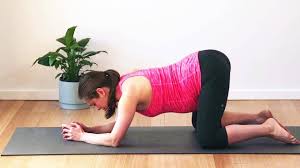
Prenatal yoga is a gentle form of yoga designed for pregnant people. It focuses on safe poses, breathing, and relaxation. It helps ease common pregnancy aches and pains. It also prepares your body for labor and helps you connect with your baby. This guide is for anyone new to prenatal yoga.
What is Prenatal Yoga?
Prenatal yoga is yoga made just for pregnant people. It’s different from regular yoga. The poses are changed.
They are made safer for your growing belly. The focus is on breathing and relaxing. It’s not about pushing your body hard.
It’s about moving gently and feeling good.
Think of it as a way to support your changing body. Pregnancy brings new feelings and needs. Prenatal yoga meets those needs.
It helps your body stay strong and flexible. It also calms your mind. This is super helpful during pregnancy.
Many changes happen quickly.
The goal is to make you feel more comfortable. It also helps you feel more prepared. You’ll learn breathing tricks.
These can help during labor. You’ll also connect more with your baby. It’s a time for you and your little one.
Why Try Prenatal Yoga? The Amazing Benefits
There are so many good things that come from doing prenatal yoga. It’s like a little gift you give yourself and your baby. Let’s look at some of these great perks.
Easing Common Pregnancy Discomforts
Pregnancy can bring aches. Your back might hurt. Your hips can feel stiff.
You might feel tired a lot. Prenatal yoga can help with this. The gentle movements help loosen tight muscles.
They can ease back pain. They also help with hip soreness.
Swelling is common too. Your feet and ankles might puff up. Yoga helps improve blood flow.
This can reduce swelling. It can make you feel lighter. You’ll feel more mobile.
This is a big deal when your body feels heavy.
Improving Sleep Quality
Getting good sleep can be tough when you’re pregnant. Your body is busy growing a baby. Your mind might race.
Prenatal yoga helps you relax. The breathing exercises are key here. They calm your nervous system.
This makes it easier to fall asleep. And stay asleep.
When you feel less stressed, you sleep better. Yoga teaches you how to unwind. It’s a skill that lasts beyond pregnancy.
You learn to let go of worries. This is so valuable.
Building Strength and Stamina
You need strength for labor. Your body will do amazing work. Prenatal yoga helps build that strength.
Poses like Warrior II (modified) build leg strength. Holding poses helps build stamina. It’s a gentle way to train your body.
You’re not lifting heavy weights. You’re using your own body. This prepares you for the physical demands of birth.
It also helps with recovery afterward. You’ll feel stronger and more ready.
Reducing Stress and Anxiety
Pregnancy can be a time of worry. You might wonder about many things. Prenatal yoga is a safe space.
You can focus on yourself and your baby. The breathing techniques are powerful for stress. They help you feel centered.
When you breathe deeply, you send more oxygen to your brain. This calms your thoughts. It reduces feelings of panic or fear.
It helps you feel more in control. This peace is a wonderful benefit.
Connecting with Your Baby
This is a special time. Yoga gives you quiet moments. You can focus on your baby.
You feel their kicks and movements. You can breathe for two. This connection grows stronger.
It’s a beautiful part of the journey.
Some moms even talk to their babies during yoga. They send love. This bonding is very important.
It starts before they are even born.
Preparing for Labor and Delivery
Prenatal yoga teaches specific poses. These can help open your pelvis. They can ease labor pains.
You learn breathing methods called pranayama. These are used during contractions. They help you manage pain.
They help you stay calm.
You also learn about your body. You understand how it works for birth. This knowledge reduces fear.
It builds confidence. You feel more prepared for what’s ahead. Many mothers feel more empowered after prenatal yoga.
Quick Prenatal Yoga Checklist
What to bring:
- Comfortable clothes
- Water bottle
- Yoga mat
What to know:
- Listen to your body.
- Never push too hard.
- Avoid lying flat on your back after the first trimester.
- Inform your instructor about any concerns.
Getting Started: Your First Prenatal Yoga Class
Starting something new can feel a little daunting. But prenatal yoga is welcoming. Here’s what to expect and how to prepare.
Finding a Class
Look for classes labeled “prenatal yoga.” Some studios offer them. Your local hospital might have them too. Ask your doctor or midwife.
They often know good local options. Online classes are also great. You can do them from home.
Check the instructor’s qualifications. They should be certified. They should have experience with prenatal clients.
A good instructor knows how to modify poses. They will keep you safe. Reading reviews can also help.
What to Wear
Wear clothes that are comfy. They should let you move freely. Stretchy pants and a soft top work well.
You don’t need special gear. Just something that feels good on your skin.
Avoid tight waistbands. They can press on your belly. Loose, breathable fabrics are best.
This helps you stay cool too.
What to Expect in Class
A class usually starts with quiet time. You might sit or lie down. You’ll focus on your breath.
Then comes gentle movement. You’ll do poses modified for pregnancy. These might include hip openers.
They might include gentle backbends.
You’ll likely do some core work. But it’s safe core work. It strengthens muscles that support your belly.
Breathing exercises are a big part. They calm you. They prepare you for labor.
The class ends with relaxation. This is often done lying down.
Most classes are about 60-75 minutes long. The pace is slow and steady. It’s about feeling good.
It’s not about performance.
Class Etiquette for Beginners
- Arrive on time: Settle in before class starts.
- Introduce yourself: Let the instructor know you’re new.
- Listen to your body: This is the most important rule.
- Use props: Blocks, straps, and blankets are your friends.
- Don’t compare: Everyone’s pregnancy is different.
Safe Poses (Asanas) for Prenatal Yoga
Not all yoga poses are safe during pregnancy. Prenatal yoga uses modified versions. These focus on support and safety.
Always listen to your body. If something feels wrong, stop.
Standing Poses
Standing poses build strength. They help with balance. They can be very grounding.
Mountain Pose (Tadasana) with modifications
Stand tall. Feet hip-width apart. Feel grounded.
You can widen your stance for more stability. Keep your arms by your sides. Or bring hands to heart center.
Warrior II (Virabhadrasana II)
Step your feet wide apart. Turn one foot out. Bend the front knee.
Keep your back leg straight. Extend arms out to the sides. Gaze over the front hand.
This pose strengthens legs and opens hips.
Modification: Don’t bend the front knee too deeply. Keep your torso upright. You can also widen your stance.
This makes it more stable.
Triangle Pose (Trikonasana)
From a wide stance, straighten your front leg. Hinge at your hip. Lower your front hand towards your shin or a block.
Reach your top arm towards the sky. Keep both legs strong. Open your chest.
Modification: Use a block under your bottom hand. This brings the floor closer. Avoid over-stretching.
Keep your gaze soft.
Seated Poses
Seated poses are great for stretching. They help with relaxation.
Easy Pose (Sukhasana) with modifications
Sit with legs crossed. Sit on a blanket. This helps tilt your pelvis forward.
Lengthen your spine. Relax your shoulders. This is good for meditation.
Bound Angle Pose (Baddha Konasana)
Sit with soles of your feet together. Let your knees fall open. You can hold your feet.
Or place hands on the floor. Sit up tall. This opens the hips.
Modification: Place blocks or cushions under your knees. Don’t force your knees down. You can also place a bolster behind you.
Lean back for support.
Cat-Cow Pose (Marjaryasana-Bitilasana)
Start on your hands and knees. Align wrists under shoulders. Align knees under hips.
As you inhale, drop your belly. Lift your chest and tailbone (Cow). As you exhale, round your spine.
Tuck your chin and tailbone (Cat).
This warms up your spine. It helps relieve back tension. It also connects breath and movement.
Restorative Poses
These are about deep relaxation and support.
Legs-Up-the-Wall Pose (Viparita Karani)
Sit near a wall. Swing your legs up the wall. Lie back.
Your hips can be on a block or blanket. Let your arms rest by your sides. This pose is very calming.
It helps reduce swelling in the legs.
Modification: You can bend your knees slightly. You can also place a bolster under your hips. Stay here for several minutes.
Resting Pose (Savasana) with modifications
Lie on your side. Use pillows for support. Place one between your knees.
Put one under your head. You can also place one under your belly. This is the ultimate relaxation pose.
Modification: Avoid lying flat on your back. Especially after the first trimester. Side-lying is the safest.
Use plenty of props to be comfy.
Poses to Avoid or Modify Heavily
Deep twists: Avoid deep twists that compress the abdomen.
Deep backbends: Gentle ones might be okay early on, but avoid them as belly grows.
Inversions: Generally avoided unless you have experience and your doctor approves.
Lying flat on your back: This can compress a major blood vessel.
Anything that causes strain or discomfort: Your body knows best.
Breathing Exercises (Pranayama) for Pregnancy
Breathing is a huge part of prenatal yoga. It’s not just about oxygen. It’s about calming your mind.
It’s about preparing for labor. Simple breathing techniques can make a big difference.
Diaphragmatic Breathing (Belly Breathing)
This is the most basic and important breath. You use your diaphragm. This is the muscle below your lungs.
How to do it:
- Sit or lie down comfortably.
- Place one hand on your chest.
- Place the other hand on your belly, just below your ribs.
- Inhale slowly through your nose.
- Feel your belly rise. Your chest should move very little.
- Exhale slowly through your mouth.
- Feel your belly fall.
Practice this often. It helps you relax. It gives your baby more oxygen.
It’s a key tool for labor.
Ujjayi Breath (Victorious Breath)
This breath makes a soft sound in the back of your throat. It’s like a gentle ocean sound. It helps build focus and heat.
How to do it:
- Start with diaphragmatic breathing.
- Gently constrict the back of your throat.
- As you inhale, make a soft, audible “haaa” sound.
- As you exhale, make the same sound.
- Keep it gentle. It should not feel strained.
This breath can help you stay warm. It can also help you focus during difficult moments in labor.
Three-Part Breath (Dirga Pranayama)
This breath involves three parts of the torso: belly, ribs, and chest.
How to do it:
- Sit or lie down. Place hands where you feel comfortable.
- Inhale deeply. Feel your belly expand first.
- Then feel your rib cage widen.
- Finally, feel your chest rise slightly.
- Exhale slowly, releasing the breath in reverse order.
- Chest, then ribs, then belly.
This is a very full breath. It helps release tension. It brings a sense of calm and completeness.
Breathing Tips for Labor
Practice daily: Make breathing a habit.
Stay calm: When you feel stressed, focus on your breath.
Use visualization: Imagine your breath bringing peace.
Don’t hold your breath: Keep a steady flow.
Experiment: Find what feels best for you.
My Own Experience: The Day I Realized Yoga Was More Than Just Poses
I remember the first prenatal yoga class I ever took. I was about 20 weeks along. My back was starting to ache.
I felt heavy and a bit clumsy. I thought yoga would just be stretching. I was wrong.
The instructor, Sarah, had this calm energy. She guided us through simple poses. We did Cat-Cow, and it felt amazing on my spine.
Then we did Bound Angle Pose. My hips felt so tight. Sarah said, “Let gravity help you.
Be gentle with yourself.” I used blocks under my knees. It made a huge difference. It wasn’t painful anymore.
It felt like a release.
But the real shift happened during the breathing part. We were doing diaphragmatic breathing. I focused on my belly rising and falling.
Suddenly, the worries about the upcoming birth faded away. I felt my heart slow down. I felt connected to the little life inside me.
I felt a sense of peace I hadn’t felt in weeks. It was then I understood. Prenatal yoga wasn’t just about poses.
It was about inner strength. It was about calm. It was about preparing my mind and body together.
I left class feeling lighter. Not just physically, but emotionally too. It was a turning point for my pregnancy.
Real-World Scenarios and When to Be Cautious
Prenatal yoga is generally safe. But there are times to be extra careful. Knowing these helps you stay healthy.
Listen to Your Body: The Golden Rule
Your body is changing every day. What felt good yesterday might not today. If a pose feels like it’s straining you, stop.
If you feel dizzy, stop. If you feel any sharp pain, stop. Your body is the best guide.
A good instructor will remind you of this. They will encourage you to modify. They will tell you it’s okay to rest.
Never feel pressured to do more than feels right.
When to Talk to Your Doctor
Always tell your doctor you are attending yoga. Some medical conditions need special care. If you have any of these, discuss yoga with your doctor first:
- High blood pressure
- History of preterm labor
- Placenta previa or bleeding
- Severe anemia
- Heart conditions
Your doctor can give you the best advice. They know your specific health needs. They can tell you if certain poses are okay or not.
Avoiding Certain Poses and Positions
We touched on this, but it’s worth repeating. Lying flat on your back for too long can be risky. It can put pressure on a major vein.
This vein helps blood flow back to your heart. It can make you feel dizzy or nauseous. Always opt for side-lying positions or props for support.
Deep twists are also something to avoid. They can compress your abdomen. This is not good for the baby.
Gentle, open twists might be okay. But always err on the side of caution. If in doubt, skip it.
Listen to your instructor. They are trained in prenatal modifications. But if something feels off, trust your gut.
Your safety and the baby’s safety come first.
Contraindications Summary
Absolute contraindications (do not practice without doctor’s clearance):
- Unexplained vaginal bleeding
- Placenta previa after 26 weeks
- Risk of recurrent premature labor
- Incompetent cervix
- Preeclampsia or high blood pressure
Relative contraindications (use with caution and doctor’s guidance):
- Recurrent miscarriage
- Mild or moderate pregnancy-induced hypertension
- Anemia
- Symptomatic mitral valve prolapse
-
Thyroid disease
What This Means for You: Building a Safe Practice
So, what’s the takeaway? Prenatal yoga is a wonderful tool. It supports your body and mind.
But like anything, it needs a mindful approach.
When Prenatal Yoga is Totally Normal
If you are healthy and have a low-risk pregnancy, prenatal yoga is likely very beneficial. It’s normal to feel energized after a class. It’s normal to feel calmer.
It’s normal to sleep better. These are all signs that it’s working well for you.
It’s also normal to have good days and not-so-good days. Some days you’ll feel more flexible. Other days, you’ll feel stiff.
That’s perfectly okay. The practice is about showing up. It’s about doing what you can.
When to Check In (With Yourself and Your Doctor)
If you experience any of the following during or after a class, it’s time to pause and check in:
- Any bleeding
- Severe abdominal pain or cramping
- Unusual or severe dizziness
- Shortness of breath that doesn’t resolve with rest
- Feeling faint or weak
- Decreased fetal movement
These could be signs of a more serious issue. Don’t ignore them. Contact your healthcare provider immediately.
It’s better to be safe than sorry.
Simple Checks You Can Do
Before and after each class, take a moment:
- Hydration: Drink water before and after.
- Energy levels: Notice how you feel. Are you feeling unusually tired?
- Baby’s movements: Are they normal for you?
These small checks can alert you to changes. They help you stay in tune with your body.
Post-Class Self-Care
Hydrate: Drink plenty of water.
Rest: Allow yourself some quiet time after class.
Nourish: Eat a healthy snack or meal.
Reflect: Notice how your body and mind feel.
Quick Tips for a Great Prenatal Yoga Practice
Here are some simple tips to make your prenatal yoga journey even better.
- Focus on the Breath: Always bring your attention back to your breath. It’s your anchor.
- Use Props: Blocks, blankets, and bolsters are your best friends. They make poses accessible and comfortable.
- Modify, Modify, Modify: Don’t be afraid to change a pose to suit your body. That’s the point!
- Stay Hydrated: Sip water before, during (if needed), and after class.
- Listen to Your Instructor: They are trained to guide you safely.
- Don’t Compare: Your pregnancy is unique. Your yoga journey is unique.
- Practice Mindfulness: Be present in each moment. Enjoy the connection with your baby.
- Consistency is Key: Even short, regular practices are more beneficial than occasional long ones.
- Find a Community: Connecting with other pregnant people can be very supportive.
Frequently Asked Questions About Prenatal Yoga
Is prenatal yoga safe for all stages of pregnancy?
Prenatal yoga is generally safe for all trimesters. However, it’s crucial to consult your doctor before starting, especially if you have any high-risk factors. As your pregnancy progresses, modifications become even more important.
Avoid lying flat on your back after the first trimester.
When can I start doing prenatal yoga?
You can start prenatal yoga at any point during your pregnancy. Many people start in their second trimester when they have more energy. But if you practiced yoga before pregnancy, you might feel comfortable starting earlier.
Always get your doctor’s okay first.
What if I’ve never done yoga before?
That’s perfectly fine! Prenatal yoga is designed for beginners. Instructors understand that most students are new to yoga.
They will guide you through every step. The focus is on safety and comfort, not on complex poses.
How often should I practice prenatal yoga?
For most people, attending a prenatal yoga class once or twice a week is beneficial. If you can’t make it to a class, try doing some simple stretches and breathing exercises at home daily. Consistency is more important than intensity.
Can prenatal yoga help with morning sickness?
While prenatal yoga doesn’t cure morning sickness, certain breathing techniques and gentle poses can help. Deep breathing can calm your stomach. Gentle movements might help with nausea for some people.
It’s about finding what brings you relief.
What’s the difference between prenatal yoga and regular yoga?
Prenatal yoga is specifically adapted for pregnancy. Poses are modified to accommodate your changing body and growing belly. Certain poses are avoided, and there’s a strong emphasis on breathing and relaxation techniques beneficial for labor and delivery.
Regular yoga may include poses that are not safe during pregnancy.
Conclusion: Embrace Your Prenatal Yoga Journey
Prenatal yoga is a nurturing practice. It supports your body and mind during a unique time. Embrace the gentle movements, calming breaths, and supportive community.
Listen to your body, and enjoy this special journey.