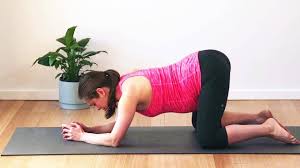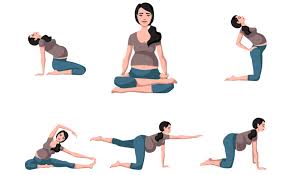
Safe pregnancy exercises focus on keeping you and your baby healthy. They improve energy, ease common discomforts, and prepare your body for birth. Gentle cardio, strength training, and flexibility work are key.
Always listen to your body and talk to your doctor before starting.
Understanding Safe Exercise During Pregnancy
When you are expecting, your body changes a lot. Exercise is good for you and your baby. It helps your body get ready for childbirth.
It also helps you feel better day to day. Moving your body can boost your mood. It can help you sleep better too.
It can even help manage weight gain. But not all exercises are safe. You need to pick the right ones.
The goal is to stay active. It is not to push yourself too hard. Think of it as gentle movement.
It helps your heart and lungs. It also builds strength. This strength helps with carrying the baby.
It helps with labor too. Your doctor is your best guide. They know your health history.
They can give you personal advice.
Many women wonder if they can keep up their old routines. Some can, with changes. Others need to switch to new activities.
The key is to listen to your body’s signals. Pregnancy is not a time to set new fitness records. It is a time to maintain health and well-being.
What makes an exercise safe? It’s usually low-impact. It avoids risks of falling.
It doesn’t put too much strain on your joints. It also doesn’t cause overheating. Breathing should feel easy.
You should be able to talk while you do it. This is a good rule of thumb. It helps you know if you are pushing too hard.
My Own Journey with Pregnancy Fitness
I remember my first pregnancy like it was yesterday. I was so excited to be pregnant. I also wanted to stay healthy.
I used to run marathons. But I knew I couldn’t do that anymore. I felt lost at first.
What could I even do?
One sunny afternoon, I went for a walk. It felt great. The fresh air was amazing.
My body felt a little tired, but happy. I noticed my back pain was less. This simple walk made a big difference.
It showed me that I didn’t need to stop moving. I just needed to move differently. I started walking more often.
I also looked for pregnancy yoga classes. That was a game-changer.
The yoga instructor was so wise. She showed us how to breathe. She showed us how to stretch safely.
I felt stronger and more at ease. It wasn’t about intense workouts. It was about connecting with my changing body.
It was about preparing for the big day. I learned so much. This experience taught me that gentle movement is powerful.
It’s about quality, not quantity.
Exercise Benefits During Pregnancy
More Energy: Staying active fights fatigue. It keeps your blood flowing well. This means more oxygen for you and baby.
Better Mood: Exercise releases feel-good chemicals. It can help with mood swings and anxiety. It makes you feel more positive.
Easier Labor: Stronger muscles help with pushing. Good stamina means you can handle labor better. It can also shorten labor time.
Less Discomfort: Regular movement can ease back pain. It helps with swelling and constipation. It makes common aches less bothersome.
Quicker Recovery: Staying fit during pregnancy helps your body bounce back after birth. You might heal faster.
Choosing the Right Pregnancy Exercises
When you are pregnant, many activities are great. The best ones are low-impact. They put less stress on your body.
They are also less likely to cause injury.
Walking: This is a top choice. It’s easy to do. You can do it almost anywhere.
Start slow and build up time. Wear good shoes. Watch out for uneven paths.
Swimming: The water supports your body. It feels wonderful. It reduces pressure on your joints.
It’s great for cardio. It can help with swelling too.
Prenatal Yoga: This is made for moms-to-be. It focuses on gentle poses. It helps with flexibility and strength.
It also teaches breathing. Breathing is very important for labor.
Stationary Cycling: This is a safe way to get cardio. You are not at risk of falling. Keep the intensity moderate.
Avoid over-heating.
Low-Impact Aerobics: Look for classes designed for pregnancy. These classes avoid jumping or jarring movements. They keep your heart rate in a safe zone.
Strength Training: Use light weights or resistance bands. Focus on major muscle groups. This helps your body support the growing baby.
It prepares you for lifting your little one later.
It’s important to remember that these are general ideas. Your body is unique. What feels good for one mom might not feel good for another.
Always pay attention to how you feel.
What to Avoid During Pregnancy Exercise
Just as important as what to do is what to avoid. Some exercises can be risky. They can harm you or your baby.
High-Impact Activities: Things like running on hard surfaces, jumping, or high-intensity interval training (HIIT) can be too much. They can jostle your body and joints.
Contact Sports: Any sport with a risk of being hit is a no-go. This includes soccer, basketball, and volleyball. The risk of abdominal injury is too high.
Activities with Fall Risk: Skiing, horseback riding, and even cycling on a regular bike can be dangerous. Falling can cause serious problems.
Scuba Diving: This is a definite no. The changes in pressure can harm the baby.
Exercising in Hot Conditions: Overheating is a real risk. It can lead to dehydration. It can also affect your baby.
Avoid hot yoga or exercising outdoors on very hot days.
Exercises Lying on Your Back: After the first trimester, lying flat on your back can press on a major blood vessel. This can reduce blood flow to your baby. It can make you feel dizzy.
Heavy Lifting: Lifting very heavy weights can strain your body. It can increase the risk of injury. It can also raise blood pressure.
Exercises Requiring Breath Holding: Some advanced yoga or Pilates poses may involve holding your breath. This is not good for oxygen supply.
If you are unsure about an exercise, it’s always best to ask your doctor or midwife. They can help you make smart choices.
Signs to Stop Exercising Immediately
Vaginal Bleeding: Any spotting or bleeding is a warning sign.
Dizziness or Fainting: If you feel lightheaded, stop and rest.
Shortness of Breath: If you can’t talk normally, you are pushing too hard.
Chest Pain: This is a serious symptom that needs medical attention.
Headache: A severe or persistent headache is a concern.
Muscle Weakness: If you feel unusually weak, stop.
Calf Pain or Swelling: This could signal a blood clot. Seek medical help.
Regular or Painful Contractions: Braxton Hicks are normal, but painful ones are not.
Decreased Fetal Movement: If you notice less movement from the baby, contact your doctor.
Real-World Context: Daily Life and Movement
Pregnancy exercise isn’t just about gym workouts. It’s about how you move all day. Simple habits can make a big difference.
Think about your daily routine.
At Home: When you are tidying up, try to move your hips. Gentle twists can feel good. Avoid deep squats if they strain you.
When you are standing, shift your weight. This helps circulation. If you sit for long periods, get up often.
At Work: If you have a desk job, set a timer. Get up and walk around every hour. Do some gentle stretches at your desk.
Roll your shoulders. Stretch your neck. These small movements prevent stiffness.
Going Out: Choose a parking spot further away. Walk the extra distance. Take the stairs instead of the elevator when it feels safe.
These small bursts of activity add up.
Listen to Your Body: This is the most important rule. Some days you will have more energy. Other days you will feel tired.
Adjust your activity level as needed. Pregnancy is a marathon, not a sprint. Some days you might do a long walk.
Other days, a short stroll is perfect. Your body’s signals are your best guide.
It’s also about how you lift things. Bend your knees. Keep your back straight.
Avoid twisting. This protects your back. Your growing belly shifts your center of gravity.
You need to be mindful of balance.
Remember, staying hydrated is key. Drink water throughout the day. This is especially important when you are active.
It helps prevent overheating and fatigue.
Quick Scan: Pregnancy Exercise Dos and Don’ts
| DO: | DON’T: |
| Walk | Run intense sprints |
| Swim | Scuba dive |
| Prenatal Yoga | Hot yoga |
| Stationary bike | Cycling on rough terrain |
| Light strength training | Heavy weight lifting |
| Stay hydrated | Exercise in extreme heat |
What This Means for Your Pregnancy
Knowing what exercises are safe is empowering. It means you can stay active. You can enjoy the benefits.
You can also avoid potential risks. This knowledge helps you feel in control.
When is it Normal to Exercise? Most women can exercise throughout pregnancy. This is true as long as they have a low-risk pregnancy. Even if you didn’t exercise before, you can start gently.
Walking is a great first step. Your doctor will confirm if exercise is safe for you.
When Should You Worry? If you have any complications, talk to your doctor. This includes a history of preterm labor. It includes placenta previa.
It includes unexplained bleeding. In these cases, your doctor might advise against exercise. Or they might suggest very specific, limited movements.
Simple Checks: Before you start, do a quick check. Are you feeling well? Are you hydrated?
Is the environment safe and cool? During exercise, monitor your breathing. Can you hold a conversation?
If not, ease up. After exercise, how do you feel? A little tired is fine.
Extreme exhaustion is not. Your body will tell you a lot.
It’s about finding a balance. You want to be active. You also want to be safe.
Your healthcare provider is your partner in this. They can offer guidance tailored to you. They can help you navigate any concerns.
Trust their expertise.
Myth vs. Reality: Pregnancy Exercise
Myth:
You must stop all exercise once pregnant.
Reality:
Moderate exercise is usually safe and beneficial.
Myth:
Any strain is bad for the baby.
Reality:
Gentle exertion is good. Listen to your body for warning signs.
Myth:
You can’t exercise if you had a previous pregnancy complication.
Reality:
It depends on the complication. Always consult your doctor first.
Simple Tips for Safe Movement
Here are some practical tips to help you move safely. These are easy to remember. They can make a big difference.
Warm-Up: Always start with 5-10 minutes of light activity. This gets your muscles ready. Marching in place or gentle arm circles work well.
Cool-Down: End with 5-10 minutes of slower movement. This helps your heart rate return to normal. Gentle stretching is good here.
Stay Hydrated: Drink water before, during, and after exercise. Dehydration can cause problems.
Wear Supportive Gear: A good maternity bra is essential. It provides extra support. Comfortable, breathable clothing is also important.
Listen to Your Body: This is the most repeated advice for a reason. If something feels wrong, stop. Don’t try to push through pain.
Avoid Overheating: Exercise in cool environments. Wear light layers you can remove.
Talk to Your Doctor: Before starting any new program, discuss it with your healthcare provider. They can offer personalized advice.
Modify as Needed: Your body will change. What worked last week might not work now. Be ready to adjust your exercises.
These tips are simple. They are effective. They help ensure your exercise routine is safe.
They help you enjoy the benefits of staying active.
Frequently Asked Questions About Pregnancy Exercise
Can I continue my regular gym routine while pregnant?
It depends on your routine. Many women can continue modified versions. High-impact or risky activities may need to be stopped.
Always discuss this with your doctor or midwife. They can help you adapt your workouts safely.
Is it safe to do abdominal exercises during pregnancy?
Traditional crunches can be harmful. They can worsen diastasis recti (abdominal separation). Focus on gentle core exercises.
Think pelvic tilts and transverse abdominis engagement. Your prenatal yoga or Pilates instructor can show you safe options.
How much exercise is too much during pregnancy?
If you feel exhausted, unwell, or experience any warning signs, it’s too much. Moderate exercise means you can still hold a conversation. Pushing yourself to extreme limits is not advised.
Your doctor can give you specific guidelines based on your health.
What if I didn’t exercise before pregnancy? Can I start now?
Yes, you can! Start with gentle activities like walking. Gradually increase duration and intensity.
Listen closely to your body. It’s best to check with your doctor before beginning any new exercise program.
Will exercise make my labor harder?
No, quite the opposite. Regular, safe exercise can make labor easier. It builds stamina and strength.
It can help your body cope better with contractions. It may even lead to a shorter labor.
Is it okay to lift weights during pregnancy?
Yes, light to moderate weight training is often recommended. It helps maintain muscle strength. Avoid very heavy weights or lifting techniques that strain your back.
Focus on controlled movements and proper form.
What are the best exercises for back pain relief during pregnancy?
Gentle stretching, prenatal yoga, and swimming can help. Pelvic tilts are also very effective. Keeping your core muscles strong supports your back.
Avoid exercises that put direct strain on your lower back.
Wrapping Up: Your Healthy Pregnancy Movement Plan
Staying active during pregnancy is a gift to yourself and your baby. It’s about finding joy in movement. It’s about nurturing your body through this amazing journey.
Remember to choose safe, low-impact activities. Listen to your body’s signals. And always consult your healthcare provider.
You’ve got this! Enjoy this special time. Move your body with love and care.